If your ideal Big Sky getaway starts with first tracks, easy village access, and as little hassle as possible, the condo-versus-house question matters more than you might think. In Big Sky, this is not just about square footage or price. It is also about how you want to ski, stay, and spend your time off the mountain. Let’s break down what each option really offers so you can choose the property that fits your lifestyle.
Why location shapes the decision
In Big Sky, access is a major part of the ownership experience. Big Sky Resort spans 5,850 acres, includes 38 chairlifts and four peaks, and the Mountain Village base connects to upper mountain terrain through the Explorer Gondola and Lone Peak Tram. That layout makes being close to the base especially practical if you want to maximize ski time and minimize logistics.
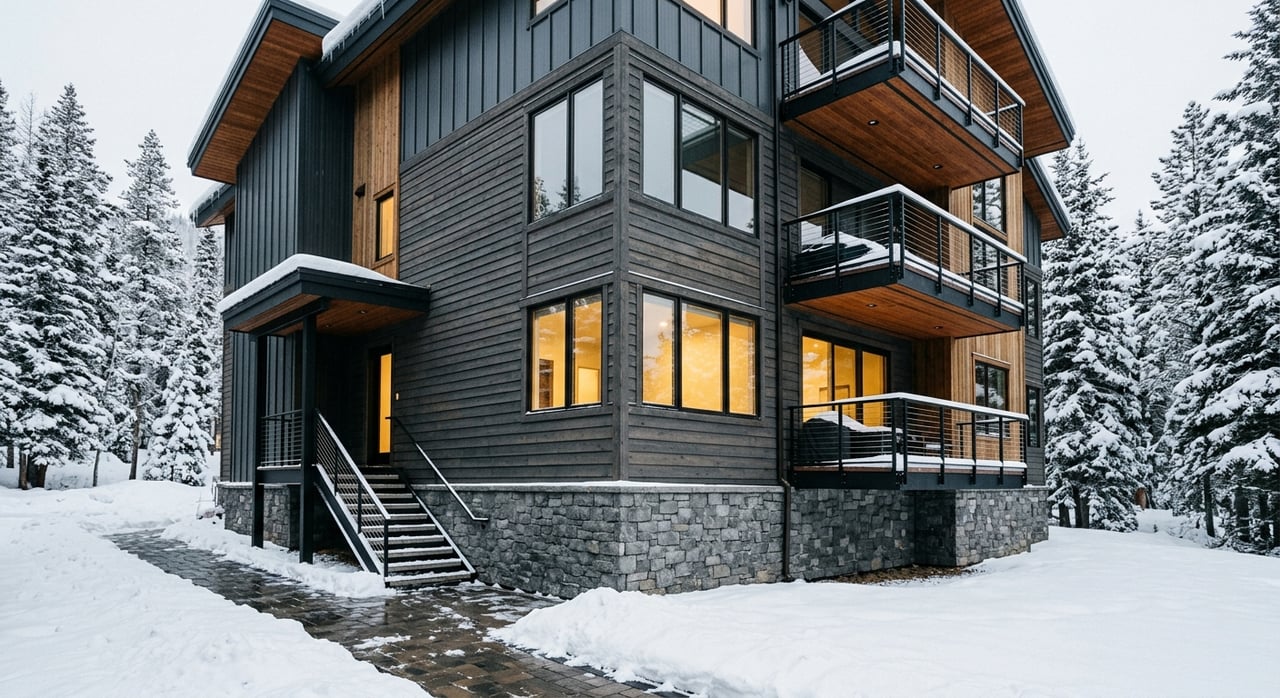
For many buyers, a condo near the resort core means a simpler routine. You can often stay closer to lifts, dining, and transit options, which can make short visits feel more seamless. A house, by contrast, may offer more separation and a quieter base camp feel, but you may trade some immediate convenience for that added space and privacy.
Big Sky condos: best for easy ski access
If you picture arriving for a long weekend and heading to the mountain with minimal planning, a condo may be the better fit. Resort-core ownership often lines up well with buyers who want a more turnkey second-home experience. It can be especially appealing if you expect to use the property for frequent, shorter stays.
Mountain Village adds to that convenience. The area includes dining options, a small grocery store, and access to summer hiking and biking trails that start from the base area. Big Sky Resort also offers transportation for certain lodging guests, and the Skyline Bus serves the broader area, which can reduce how much you rely on a car during your stay.
What condo ownership usually means
Under Montana law, condominium ownership includes your individual unit plus shared common elements. Common expenses can include administration, maintenance, repair, and replacement of those common areas. In everyday terms, that often means less exterior upkeep falls directly on you compared with a standalone home.
That convenience comes with tradeoffs. Condo living usually means closer neighbors, less privacy, and more association oversight. Some Big Sky community rules also emphasize quiet enjoyment, owner responsibility for tenant compliance, and payment of assessments, so it is important to understand the rules before you buy.
Who a condo often fits
A condo may be a strong match if you want:
- Quick access to lifts and village amenities
- A lower-maintenance second home
- A lock-and-leave setup for shorter trips
- Less day-to-day responsibility for exterior care
Big Sky houses: best for space and privacy
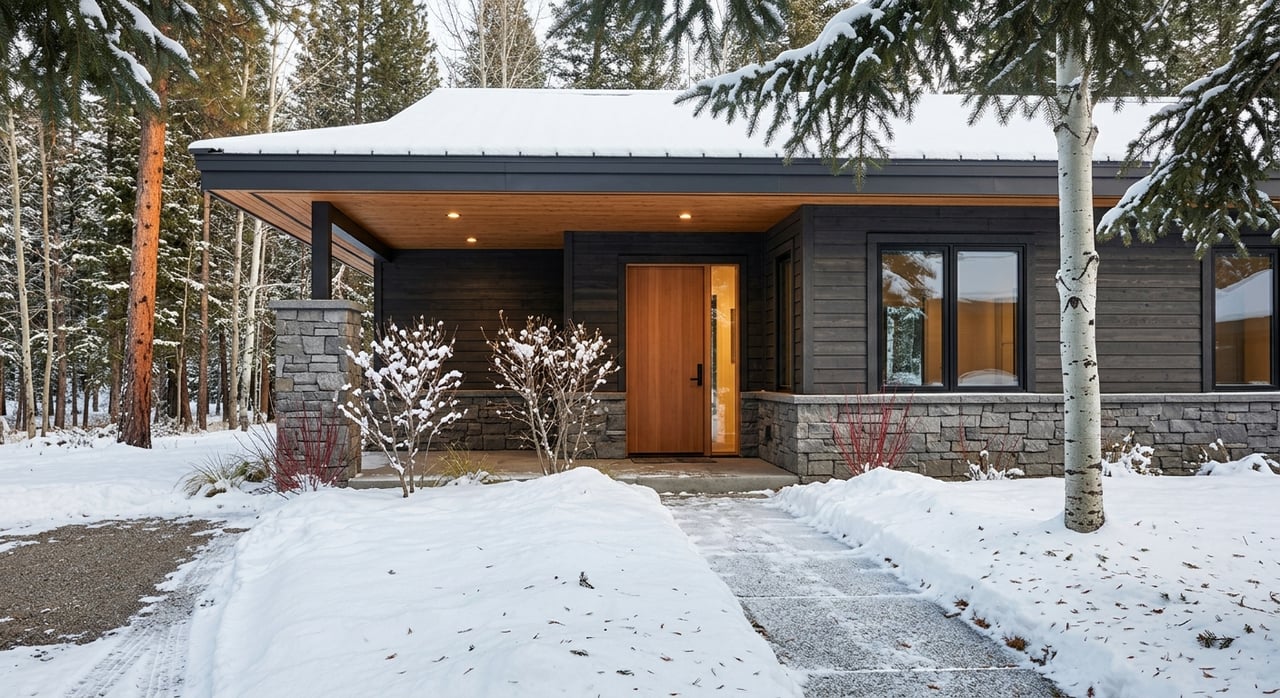
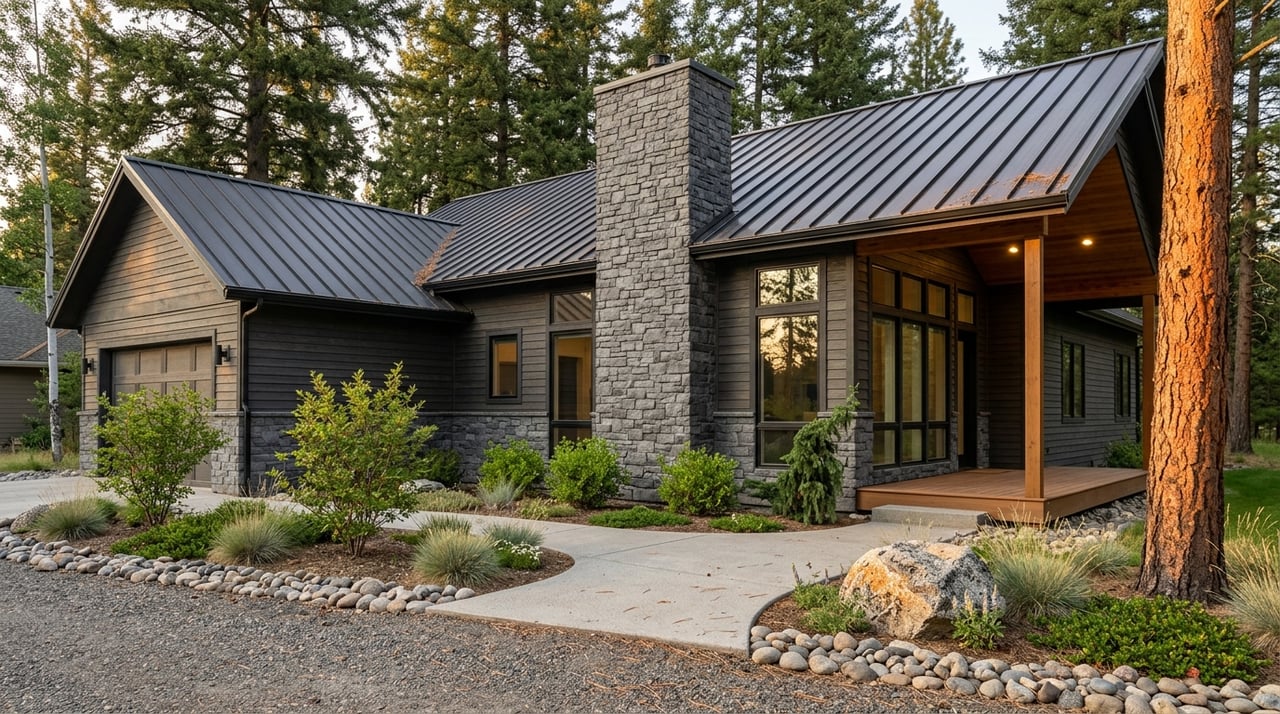
If your ski lifestyle includes longer stays, more gear, more vehicles, or a stronger sense of separation, a house may make more sense. Current Big Sky inventory shows detached homes on sites ranging from about 0.24 acres to 20 acres. That range can give you more room to spread out and a more independent mountain-home experience.
A house can also feel better suited to buyers who want flexibility in how they use the property. You may have more storage for skis, bikes, and outdoor equipment, plus more space for hosting family or guests. For some buyers, that extra room is what turns a ski home into a true all-season retreat.
What house ownership usually means
More space usually brings more responsibility. With a single-family home, you are often taking on more exterior care, snow management, and general property upkeep unless an HOA or property manager handles some of it. That added independence can be a major benefit, but it is worth being honest about how hands-on you want to be.
This is why houses often appeal to buyers who are comfortable trading convenience for control. If you want privacy, room to grow, and a property that feels more like a personal base camp, a house may be worth the extra work.
Who a house often fits
A house may be a strong match if you want:
- More privacy and lot size
- More storage for gear and vehicles
- Longer, more settled stays
- Greater control over your day-to-day environment
Are condos actually cheaper in Big Sky?
Not necessarily. In Big Sky, both condos and houses sit in luxury territory, and ski-base location can push condo pricing surprisingly high. Current market snapshots put the median listing price for condos at about $2.42 million and single-family homes at about $2.7 million.
The broader price ranges show even more overlap. Current condo listings range from about $399,000 for smaller studio or one-bedroom options to roughly $3.999 million for larger four-bedroom units. Single-family homes currently range from about $1.725 million to $16.95 million.
The takeaway is simple: you should not assume condo means budget option. In Big Sky, access, views, size, and amenities can put condos and houses in similar pricing conversations.
Maintenance: how hands-on do you want to be?
This may be the clearest lifestyle divider between the two options. A condo often shifts more shared-area and exterior responsibilities to the association, which can make ownership feel easier, especially if you live out of market or visit part-time. For many second-home buyers, that reduced maintenance burden is a major advantage.
A house usually asks more from you. Snow removal, exterior upkeep, and general oversight may fall more directly on the owner unless another arrangement is in place. If your goal is to show up, ski, and leave without much follow-up, a condo may fit better. If you do not mind coordinating care in exchange for more privacy and room, a house may be the right call.
Rental plans require more than a quick assumption
If rental income is part of your thinking, do not treat this as a simple condo-versus-house question. In Gallatin County, a short-term rental is defined as a dwelling unit rented for 30 days or less. Whether that use is allowed depends first on zoning, and the county states that if short-term rentals are not mentioned in a zoning district, they are not permitted there.
Association rules can be even stricter. Some Big Sky community rules prohibit transient or hotel-style rentals under 30 days, and the Big Sky Owners Association has rules tied to registration, fees, occupancy limits, parking limits, and fines for violations. That means rental potential needs to be evaluated parcel by parcel and community by community before you count on it.
A simple way to choose
If you are deciding between a condo and a house in Big Sky, start with how you actually plan to use the property. Think about the number of trips you expect to take, how long you stay, whether you want lift access or privacy, and how much maintenance you are willing to manage. The right choice usually becomes clearer when you picture your real routine, not just the dream version.
Here is a simple side-by-side view:
| Priority | Condo | House |
|---|---|---|
| Lift and village access | Often stronger | Often less immediate |
| Maintenance | Usually lower | Usually higher |
| Privacy | Usually lower | Usually higher |
| Space for gear and guests | More limited | Often greater |
| Lock-and-leave convenience | Often better | Depends on care plan |
| Independence | More association oversight | More owner control |
The best fit comes down to your lifestyle
In Big Sky, a condo often fits the buyer who wants efficient ski access, easier upkeep, and a more turnkey retreat near the heart of the resort. A house often fits the buyer who wants more space, more privacy, and a property that supports longer stays and a more independent rhythm. Neither is automatically better. The better choice is the one that supports the way you want to live in the mountains.
If you want help sorting through Big Sky options with your lifestyle, budget, and long-term goals in mind, Mel Libby can help you narrow the search and make a confident move.
FAQs
Are Big Sky condos cheaper than houses?
- Not always. Current market snapshots place Big Sky condos at a median listing price of about $2.42 million and single-family homes at about $2.7 million, so both property types can fall in the luxury range.
Can you use a Big Sky condo or house as a short-term rental?
- Maybe, but you need to confirm both zoning and community rules. In Gallatin County, short-term rentals are stays of 30 days or less, and they are only allowed where the zoning district permits them. HOA or owners association rules may be stricter.
Do you need a car if you stay near Big Sky Resort?
- Often less so if you stay near Mountain Village. Big Sky Resort provides transportation for certain lodging guests, and the Skyline Bus serves the area.
Is a Big Sky condo easier to maintain than a house?
- In many cases, yes. Montana condo ownership typically includes shared common elements and common expenses for maintenance and repair, which can reduce the amount of exterior upkeep handled directly by the owner.
What type of Big Sky property is better for privacy?
- A house usually offers more privacy. Current single-family inventory includes detached homes on larger sites, which can provide more separation and room for gear, vehicles, and guests.