Does your Polson lakefront home feel tricky to price? You are not alone. Waterfront value is about more than square footage or a citywide median. On Flathead Lake, frontage, view, dock quality, permits, and timing all work together to shape your bottom line. In this guide, you will learn what matters, how to use local comps and documents to back your price, and a step-by-step plan to list with confidence. Let’s dive in.
Polson market snapshot
Citywide pricing tools can be misleading for lakefront sellers. Zillow’s index for Polson sits near the mid-500s, but waterfront sales on the Polson segment of Flathead Lake trade far above that and across a wide range depending on shoreline and amenities. Recent examples include a multi-million point property on North Finley Point, a south-shore lakefront condo around the one million mark, a Rocky Point condo in the high six figures, and a compact lakefront cabin that closed under one million. The takeaway is simple. Use closed lakefront sales with similar shoreline orientation, water depth, and moorage to guide your pricing.
What drives lakefront value
Frontage and usability
Front-foot measurements matter, but usability and depth often matter more. A shorter lot with deep water and a quality dock can outperform a wider, shallow shoreline that limits boating. Industry guides note buyers value usable shoreline and moorage options over raw frontage counts, and the first increments of frontage are usually worth more per foot than later increments. For context on how shoreline usability shapes value, see this overview of lakeshore pricing concepts on lakeshore usability and value.
Views and orientation
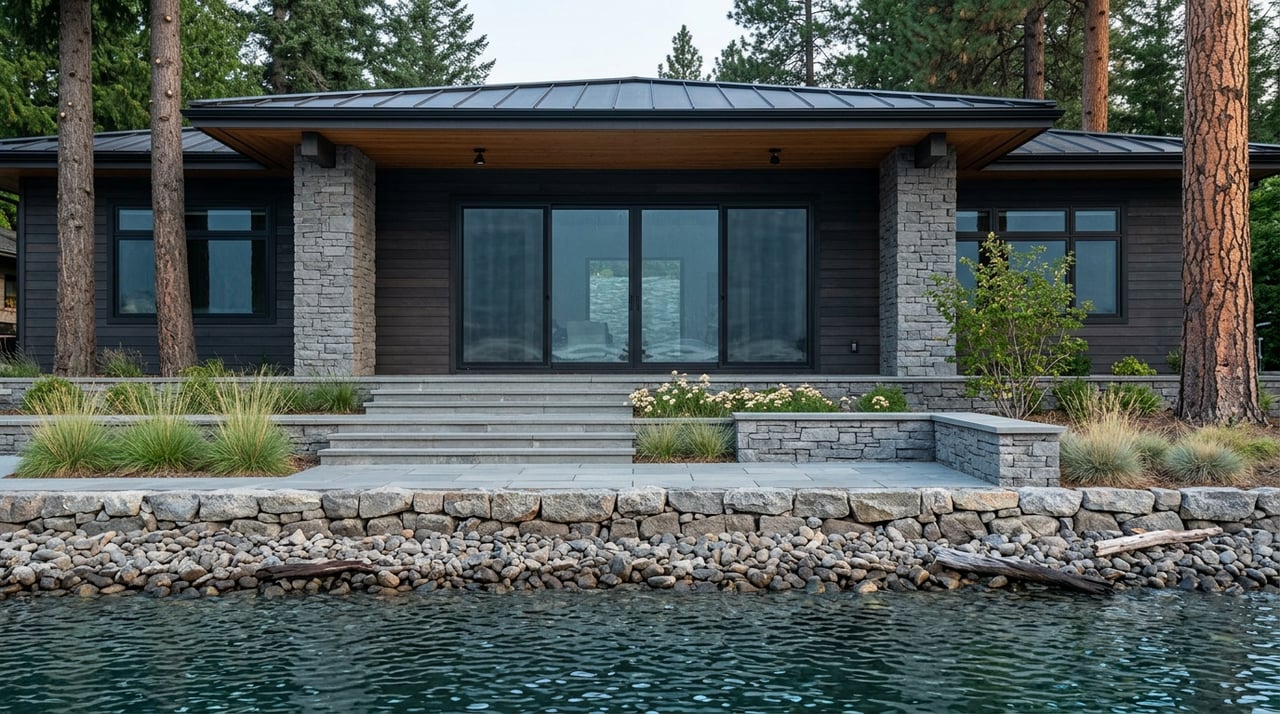
View quality carries a real premium. Academic studies confirm higher prices for water views, with the strongest premiums for direct waterfront and wide, unobstructed panoramas. Classify your view as distant, partial, or panoramic main-lake and apply consistent adjustments when comparing to nearby sales. If your home frames the Mission Mountains plus main-lake exposure, you can often justify a higher spot in your price range. A research summary on how water views influence pricing is available here: how water views affect residential values.
Dock quality and permits
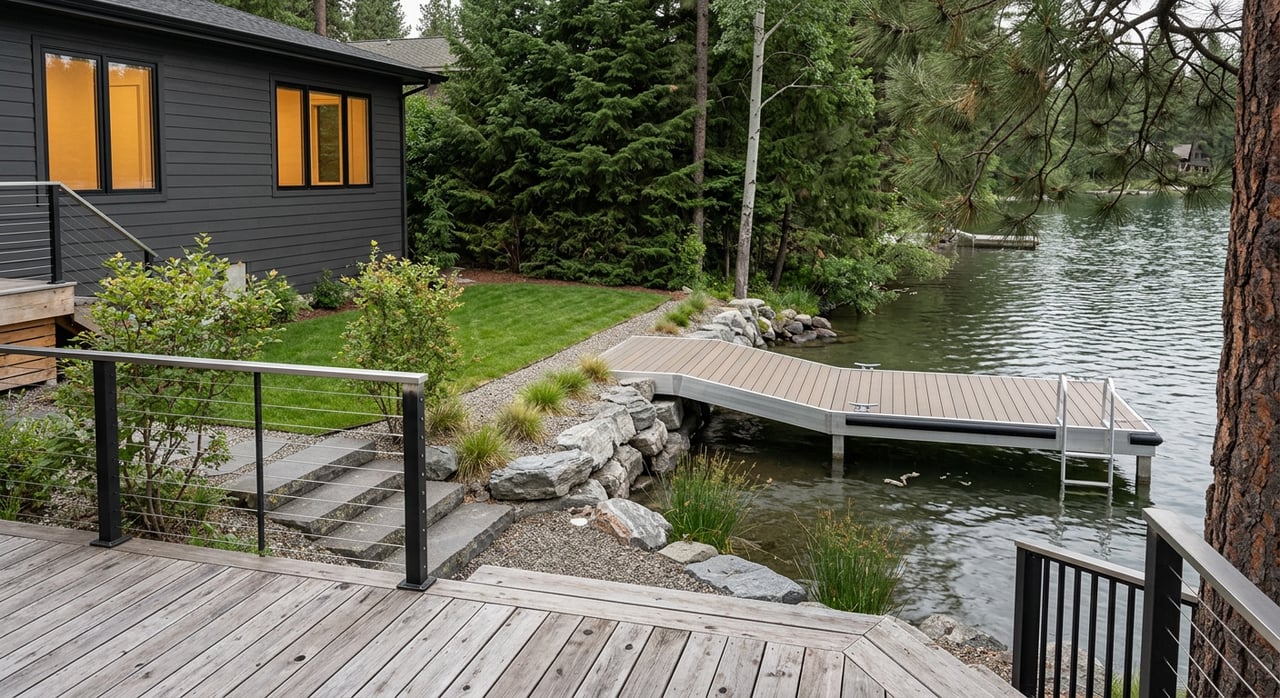
A well-built, permitted private dock or a deeded slip is a powerful selling feature. It reduces buyer friction and supports your asking price. An unpermitted or failing structure is a liability because buyers will price in repair, replacement, or removal. Be prepared to show documentation for dock permits and any related approvals. Federal guidance explains when in-water work triggers authorization through the U.S. Army Corps of Engineers. Review the Corps’ permit overview here: federal regulatory guidance for waterfront work.
Lot shape, slope, and access
Point or peninsula lots and those with broad, private shoreline tend to command a higher price per front foot. Long, narrow lots or parcels with steep bluffs can trade at discounts for usability, even when the frontage number looks large on a map. Practical access to the water, road, and utilities all influence your final number. For a plain-language overview, see this primer on how lot shape and shore characteristics affect value.
Riparian rights, lakebed, and OHWM
On Flathead Lake, what you think of as “your shoreline” may include areas below the ordinary high water mark that require separate leases or permissions to occupy. Confirm deed language, any state leases for bed use where applicable, and whether mooring buoys or docks are transferable. Clean documentation reduces risk and supports price.
Seasonality, traffic, and noise
Inventory and lake activity in Polson shift with the seasons. More listings and more boat traffic often arrive in late spring and summer. Your pricing strategy and showing plan should consider privacy, nearby public ramps, and how the property lives during peak and shoulder seasons. If your dock works well at typical seasonal water levels, highlight that with photos and notes.
Aquatic invasive species and buyer expectations
Montana runs active inspection and decontamination programs for watercraft entering the Flathead Basin. Buyers who boat will ask about boat logistics, inspections, and any local AIS requirements. Sharing what you know about compliance can prevent post-offer surprises. Learn about local inspection efforts in this regional update on watercraft inspection stations in Northwest Montana.
Permits and rules that impact price
Lake County lakeshore rules
Lake County administers local Lakeshore Protection Regulations for construction and activities in the lakeshore protection zone. Before you list, request permit records and any enforcement or restoration history for your parcel. Being able to show a clean file helps justify your ask. Start with the county’s public notices and contact information for planning here: Lake County Planning Department notices.
Montana Lakeshore Protection Act
Montana law requires permits for many forms of lakeshore and lakebed work. Courts in Montana have reviewed county-issued permits and enforced restoration where unpermitted work occurred. If a past owner made alterations without approval, that can surface during due diligence and affect price. See an example of state-level enforcement in this Montana Supreme Court case summary.
CSKT shoreline jurisdiction
Parts of Flathead Lake fall within the Flathead Indian Reservation and are subject to Confederated Salish and Kootenai Tribes aquatic and shoreline ordinances. Rules can differ for activities below the high-water line. Verify whether your parcel is within tribal jurisdiction and whether tribal review applies. The EPA provides background on CSKT aquatic and shoreline protections.
Federal and state authorizations
Work in navigable waters, dredge-and-fill activities, and many dock projects require federal authorization through the U.S. Army Corps of Engineers. Some projects qualify for nationwide permits, while others need project-specific review. Documentation from the Corps adds clarity for buyers and lenders. Federal guidance is here: USACE regulatory program and permits.
Build your pricing plan
Step 1: Select the right comps
Prioritize closed sales from Polson, Finley Point, and Rocky Point in the last 12 to 24 months. Match the “water product” type first, such as single-family waterfront versus condo with a marina slip. If you must look to adjacent Flathead Lake submarkets, document the differences and your adjustments.
Step 2: Quantify the shoreline
Measure total frontage, usable frontage, and typical water depth at the dock or along the shoreline. Confirm whether the dock, boathouse, or slip is deeded, permitted, or leased. You can use price-per-front-foot as a reasonableness check, but do not rely on the number alone. Adjust for view, depth, and dock quality.
Step 3: Adjust for view, privacy, dock, and slope
Document how your view compares to each comp and assign consistent dollar or percent adjustments. Add line items for dock permit status, replacement cost if needed, and lot slope or buildability. If your property has a unique feature, such as a point-lot setting or an older boathouse, show how that differs from each comp in your range.
Step 4: Add appraisal support when needed
When the comp set is thin or your home is unusual, consider a pre-listing appraisal or a detailed broker opinion of value. Having independent support narrows the range, reduces appraisal contingency risk, and strengthens your negotiating position.
Pre-listing checklist
- Verify deeded riparian rights, recorded water rights, and whether your parcel is within CSKT jurisdiction. If tribal or state leases apply for bed use, gather them for your disclosure packet.
- Pull all shoreline permits, any U.S. Army Corps correspondence, and any state or tribal approvals related to docks or shoreline work. Federal guidance is here for reference: USACE permit overview.
- Contact Lake County Planning to request permit history or any lakeshore enforcement records tied to your parcel. Start here: Lake County Planning Department notices.
- Order a current survey that shows the ordinary high water mark and measured frontage. Buyers, appraisers, and planners often ask for it.
- If your dock needs work, get written quotes for repair or replacement and collect any past inspection records. Documenting real costs beats verbal estimates when you negotiate.
- Prepare high-value marketing assets. Aerial photos of the shoreline, dock, approach, and view angles at the right time of day help buyers understand the lifestyle and support your premium.
Pricing mechanics and negotiation
- Establish a defensible range tied to specific comps and documented adjustments, such as frontage, permitted dock quality, view, and slope. Keep your list price within the range you can support in writing.
- Be ready to show a clean file of permits, surveys, and leases. Organized documents reduce perceived risk, help with lender appraisal, and keep your deal on track.
- If your ask is meaningfully above neighborhood medians, add a pre-listing appraisal to show third-party support. This gives buyers and lenders more confidence.
Timing your launch in Polson
- Consider how your property lives by season. Spring and early summer often bring stronger buyer activity. Late summer can offer great on-the-water showings but also more boat traffic.
- Plan photos and video to match your best light and view corridors. Capture sunrise or sunset angles that showcase the lake and mountain backdrop.
- If you or your buyer will move watercraft, build AIS inspection timing into showings and contract timelines. Share helpful links about local inspection requirements, such as this overview of Northwest Montana inspection stations.
Final thoughts
Pricing a Polson lakefront home is part data, part documentation, and part presentation. When you ground your price in recent local comps, prove shoreline usability, show clean permits and leases, and launch with polished visuals, you set yourself up to capture the premium that Flathead Lake buyers will pay for the right combination of frontage, view, dock, and privacy.
Ready to build your pricing plan or want a second set of eyes on your shoreline documents? Reach out to Mel Nordberg for a local, lake-savvy strategy.
FAQs
How do I start pricing my Polson lakefront home?
- Begin with closed lakefront sales from Polson, Finley Point, and Rocky Point in the last 12 to 24 months, then adjust for frontage, view, dock status, and lot slope.
Does price per front foot work in Polson on Flathead Lake?
- Use price-per-front-foot only as a reasonableness check, then adjust for usability, water depth, permitted moorage, and view quality to set a true market range.
Which permits and documents do buyers want to see?
- Gather lakeshore permits, any U.S. Army Corps letters, state or tribal leases if applicable, a current survey showing the OHWM, and any dock inspection or repair records.
How does CSKT jurisdiction affect my sale on Flathead Lake?
- If your parcel is within reservation boundaries, shoreline activities below the high-water line may require CSKT review, so verify jurisdiction and include approvals in disclosures.
When is the best time to list a Polson waterfront home?
- Spring and early summer often bring wider buyer activity, while late summer can show off on-the-water living; choose timing that highlights your property’s best features.