What does it actually feel like to own a home in Big Sky? If you are picturing nonstop ski days and postcard views, that is part of the story, but not all of it. Living here is just as much about planning for seasons, understanding how the community functions, and matching your home to the lifestyle you want. Let’s dive in.
Big Sky feels both remote and organized
Big Sky is an unincorporated resort community that spans Gallatin and Madison counties. It sits about 45 miles south of Bozeman Yellowstone International Airport and at the base of Lone Peak, which rises to 11,166 feet. That gives daily life a strong sense of mountain scale and distance from a typical urban center.
At the same time, Big Sky does not feel unstructured. The community includes seven special districts, hundreds of HOAs, about 3,000 full-time residents, and a significant part-time resident population. During peak periods, the population can exceed 15,000 people, which helps explain why ownership here can feel very different from owning in a standard small town.
You will also hear Big Sky described through three main areas: Canyon, Meadow, and Mountain. That matters because homes and condos can feel very different depending on where you land. Even within the same community, your day-to-day routine may center more on resort access, local services, or a quieter residential rhythm.
Winter shapes the ownership experience
If you own in Big Sky, winter is not just a season. It is the main rhythm of the year. Big Sky Resort’s current winter operating dates run daily from November 25, 2026 through April 11, 2027, with bonus weekend access in April if conditions allow.
The scale of winter here is a big part of what owners notice first. The resort reports 5,850 acres of skiable terrain, 320 named runs, 40 lifts, 4,350 vertical feet, and about 400 inches of annual snowfall. This is a place where winter feels fully built into daily life, not just something that shows up for a few weeks.
The weather data supports that feeling. At the NOAA Big Sky 2WNW station, January normals are about 29.8°F for daytime highs and 8.5°F for nighttime lows. In other words, winter in Big Sky is cold, snowy, and persistent enough that your routines need to account for it.
Winter mornings start with logistics
Owning here often means checking weather, road conditions, and snow access before you think about fun. Big Sky Resort advises winter drivers to use appropriate winter tires, and it also notes that parking can fill on weekends, holidays, event days, and powder days. On busy days, shuttle service helps move people around Mountain Village.
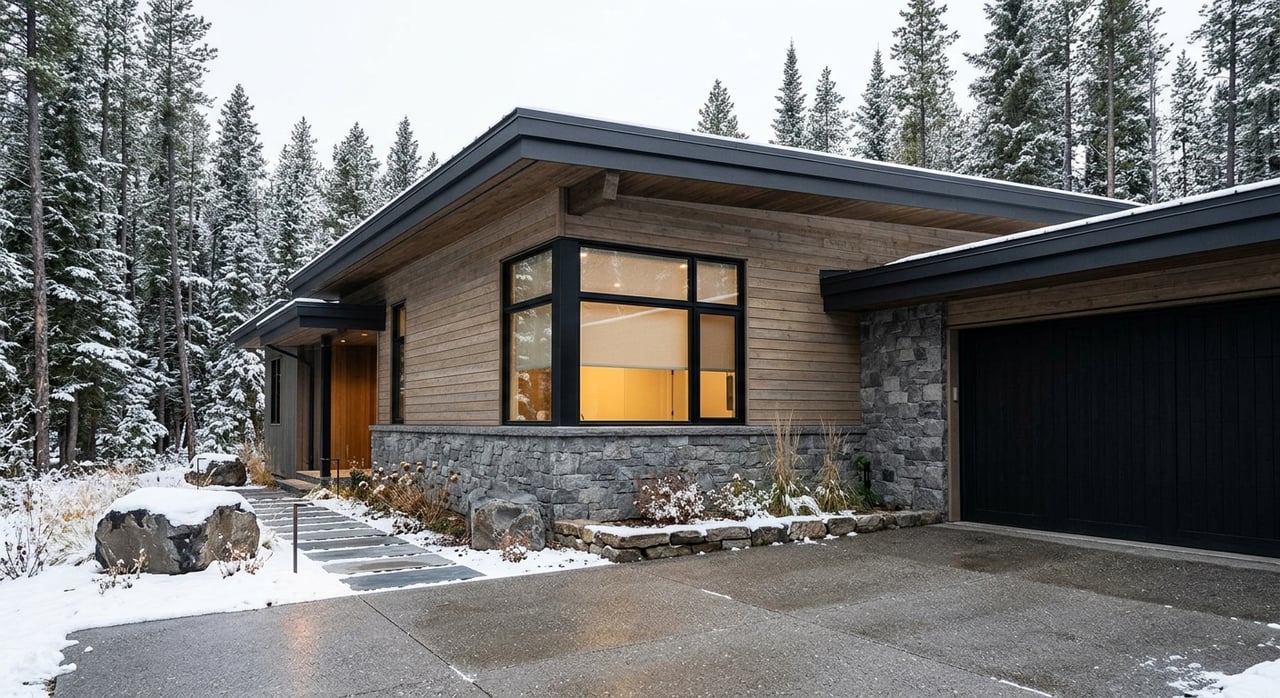
That can shape the feel of ownership in practical ways. A slopeside or near-resort property may make those peak winter days easier to navigate. A home farther from the mountain may offer a different pace, but it usually comes with more planning around driving, timing, and gear storage.
Winter life goes beyond downhill skiing
Skiing may headline the season, but it is not the only pattern of life. The Big Sky Resort Nordic Center in Meadow Village and Lone Mountain Ranch offer more than 80 groomed kilometers of cross-country and Nordic trails. For many owners, that adds another layer to winter living that feels quieter and more routine than a full resort day.
That is one reason Big Sky ownership often feels immersive. You are not just visiting a mountain for a long weekend. You are learning how to move through winter with more intention, from snow days and parking strategy to where you keep boots, layers, and winter gear.
Summer feels active and close to nature
When the snow recedes, Big Sky shifts rather than slows down. Big Sky Resort opens its summer season on June 13, 2026, with activities that include mountain biking, scenic lift rides, guided hikes, zipline tours, golf, dining, and lodging. Summer ownership tends to feel outdoorsy, flexible, and trail-focused.
Big Sky sits in the heart of Custer Gallatin National Forest and about 15 miles from the Yellowstone boundary. That location gives you quick access to public trails and a landscape that feels immediately usable. In practical terms, summer life here can look like getting out early, staying active through the day, and enjoying cooler evenings.
NOAA normals help explain why. July averages about 77.6°F for daytime highs and 41.3°F for nighttime lows, while August daytime highs average about 76.8°F. So while summer is warm, it is not defined by all-day heat.
Trails become part of your routine
In Big Sky, some of the most memorable summer moments are close to home. Ousel Falls is a classic local hike at roughly 1.7 miles round-trip, and it is stroller and wheelchair accessible. It is also bordered by two forks of the Gallatin River, which adds to that easy access to scenery many buyers are looking for.
Other hikes require a little more timing and awareness. The resort’s hiking guidance notes that Beehive Basin is best hiked in July and August once higher-elevation snow has melted. It also advises early arrival for Lava Lake because the parking lot fills quickly.
This is part of what owning in Big Sky really feels like. Nature is close, but it still asks you to pay attention. Weather can change quickly, high-elevation snow can linger year-round, and some areas do not have cell service.
River days help define warm-weather living
The Gallatin River is central to the summer experience. Visit Big Sky describes it as a rafting destination, with water levels highest during spring runoff before mellowing through summer. For owners, that often translates into a season that balances hiking, biking, and time near the water.
Instead of planning around intense heat, you are more likely planning around daylight, trail access, and how much you can fit into one day. Early hikes, afternoon river time, and cool evenings are a big part of the seasonal rhythm. That can make even a short stay feel full and restorative.
Shoulder seasons feel quieter and more practical
Spring and fall often feel like the quietest times in Big Sky. Based on the community’s winter and summer operating windows, these in-between months tend to have a slower pace. For many owners, that quieter stretch is part of the appeal.
These seasons often bring a different kind of value. You may notice fewer crowds, more stillness, and more time to focus on the home itself. If winter is for skiing and summer is for trails and river days, shoulder seasons are often for maintenance, readiness, and reset.
Your property type affects your workload
Because Big Sky has hundreds of HOAs and a substantial part-time resident population, ownership can feel more lock-and-leave than in many year-round neighborhoods. In general, condos often read as more turnkey and lower-touch. Single-family homes usually feel more hands-on.
That does not make one choice better than the other. It just means the right fit depends on how you plan to use the property. If you want simpler seasonal living, a condo may align better with your goals. If you want more space, privacy, or a standalone home feel, you may be taking on more weather and maintenance planning too.
Readiness is part of mountain ownership
Big Sky Fire Department serves the unincorporated mountain resort area and provides defensible-space education in a wildland-urban-interface setting. For many owners, especially those with standalone homes, that makes preparedness part of the ownership mindset. Snow planning in one season and fire readiness in another are both part of the local conversation.
This is one of the biggest differences between dreaming about Big Sky and actually owning there. The lifestyle is beautiful and rewarding, but it also asks you to stay aware of the environment around you. In many ways, that awareness becomes part of what people grow to love.
Big Sky ownership is about matching lifestyle to home
The homes that work best in Big Sky are often the ones that fit your habits, not just your wish list. If you plan to ski often, proximity and winter access may matter more than square footage. If you picture long summer stretches filled with trails and quiet evenings, your priorities may shift toward layout, views, or how easily you can lock up and leave.
That is especially true for second-home buyers and relocators. Big Sky can feel exciting and simple on a short trip, but ownership is more nuanced. The area, the season, and the property type all shape how your day-to-day life will actually feel once the closing is over.
When you understand those patterns upfront, you can buy with more confidence. You are not just shopping for a house or condo. You are choosing how you want to experience Big Sky through winter storms, summer trailheads, quiet shoulder seasons, and everything in between.
If you are thinking about buying or selling in Big Sky and want guidance grounded in Montana lifestyle knowledge, Mel Libby can help you think through the practical side of mountain-resort ownership with a clear, personal approach.
FAQs
What is daily life like for homeowners in Big Sky?
- Daily life in Big Sky often revolves around the seasons, with winter focused on snow access and ski routines, summer centered on trails and the Gallatin River, and spring and fall bringing a quieter pace.
What is winter like for owning a home in Big Sky?
- Winter ownership in Big Sky usually means planning for cold temperatures, regular snow, winter tires, resort traffic on busy days, and practical gear and access logistics.
What is summer like for owning a home in Big Sky?
- Summer ownership in Big Sky often feels active and outdoors-focused, with nearby hiking, mountain biking, river recreation, warm afternoons, and cool evenings.
What should buyers know about Big Sky neighborhoods?
- Buyers should know that Big Sky is commonly experienced through Canyon, Meadow, and Mountain, and each area can create a different ownership experience based on access, pace, and surrounding infrastructure.
What is the difference between condos and single-family homes in Big Sky?
- In Big Sky, condos often feel more turnkey and lock-and-leave, while single-family homes usually require more hands-on planning for maintenance, snow, and seasonal readiness.
What makes Big Sky different from a typical Montana town?
- Big Sky is an unincorporated resort community with special districts, many HOAs, a small full-time population, and large seasonal swings that shape how ownership feels throughout the year.