If you are thinking about buying a vacation rental in Bigfork, it is easy to get pulled in by the view first and the numbers second. Bigfork has real appeal, from Flathead Lake access to arts and event-driven tourism, but a good-looking property is not always a good short-term rental. Before you buy, you need to know how seasonality, county rules, septic limits, and waterfront permitting could affect income and operations. Let’s dive in.
Why Bigfork attracts vacation-rental buyers
Bigfork is an unincorporated community in southeastern Flathead County, located where the Swan River enters Flathead Lake. The area is known for recreation, arts, and annual events, which helps explain why buyer interest often centers on lifestyle appeal as much as investment potential. You can get a feel for that local context through the Bigfork Area Chamber’s community overview.
Tourism is a major part of the regional economy. According to the Montana Department of Commerce Glacier Country plan, 71.3% of visitors in 2023 were nonresidents. For you as a buyer, that means demand can be strong, but it is tied closely to travel patterns, peak seasons, and visitor activity rather than a steady long-term rental base.
Ask how seasonal demand affects revenue
This may be the most important question of all: Are you underwriting a summer-driven property, or assuming year-round performance that the market may not support? In Bigfork, that difference matters.
Flathead Lake is a major draw, and visitation data supports that. Montana Fish, Wildlife & Parks reported that Flathead Lake state parks drew 363,024 visitors in 2024, up 9.3% from 2023. The same report also notes that some lake access points close seasonally in winter and most campgrounds do not open until May 1, which is a strong reminder that demand is likely weighted toward warmer months.
Published STR data also points to opportunity, but not certainty. AirDNA’s Bigfork market page shows 480 properties, 54% occupancy, about $397 average daily rate, and about $23.4K in annual revenue, while the Glacier Country plan reports Flathead County Airbnb occupancy at 23.7% and ADR at $310. Because those sources use different methodologies, the safer move is to build a range-based revenue model rather than rely on a single optimistic estimate.
Key underwriting questions to ask
- What does the property need to earn during peak season to offset slower shoulder and winter months?
- Are you using conservative occupancy assumptions rather than best-case projections?
- Does the property depend heavily on summer lake traffic or event weekends?
- Have you built in time for vacancy, maintenance, and weather-related slowdowns?
Ask what zoning allows on the parcel
Before you get attached to a property, confirm whether short-term rentals are allowed at all. In Bigfork, that answer depends heavily on the parcel.
Flathead County defines a short-term rental as a residential use in a dwelling unit for periods of less than 30 days. According to the county’s short-term rental guidance, STRs are permitted in some zoning districts, require an administrative conditional use permit in others, and are not allowed in others. If the parcel is unzoned, Planning and Zoning says no permit is required from that office, though other county review may still apply.
This is why one of your first diligence questions should be simple: What is the zoning, and what does that zoning require for short-term rental use? It is much easier to verify this before you close than after you own the home.
Timing matters too
Permitting is not always instant. Flathead County says the CALURS minor land-use review can take up to 30 calendar days once a file is complete, and the administrative CUP process for STRs can take about a month and a half. The county also sends notice to nearby owners within 150 feet and uses a comment period of about two weeks.
If you hope to start renting quickly after closing, permit timing should be part of your buying timeline and financial planning.
Ask what permits and fees apply
A vacation rental purchase is not just about the mortgage payment and furnishing budget. It also comes with local compliance costs that should be treated as part of the investment.
Flathead County’s current application materials show a short-term rental permit fee of $430 plus a $75 GIS fee. The county fee schedule also indicates that if an owner starts operating or listing the property before approval, the filing may become after-the-fact and the fee can be doubled.
At the state level, Montana imposes an 8% lodging facility sales and use tax on accommodations, with an exemption for continuous rentals of 30 days or more. The Department of Revenue also says a seller’s permit is required, and marketplaces that facilitate bookings must collect, report, and pay taxes on the sales they handle.
Operating requirements to confirm early
Flathead County’s standards go beyond filing paperwork. The county requires:
- A local contact available 24/7
- The ability for that contact to arrive within one hour
- Quiet hours approved by the zoning administrator and posted in the unit and online
- Adequate off-street parking
- A small on-site sign no larger than 1 square foot
- A new permit application if ownership changes
Those rules come from the county zoning regulations and should be built into your operating plan from day one.
Ask whether health rules affect occupancy
One of the biggest vacation-rental mistakes buyers make is assuming the advertised bedroom count automatically equals legal guest capacity. In this market, that is not always true.
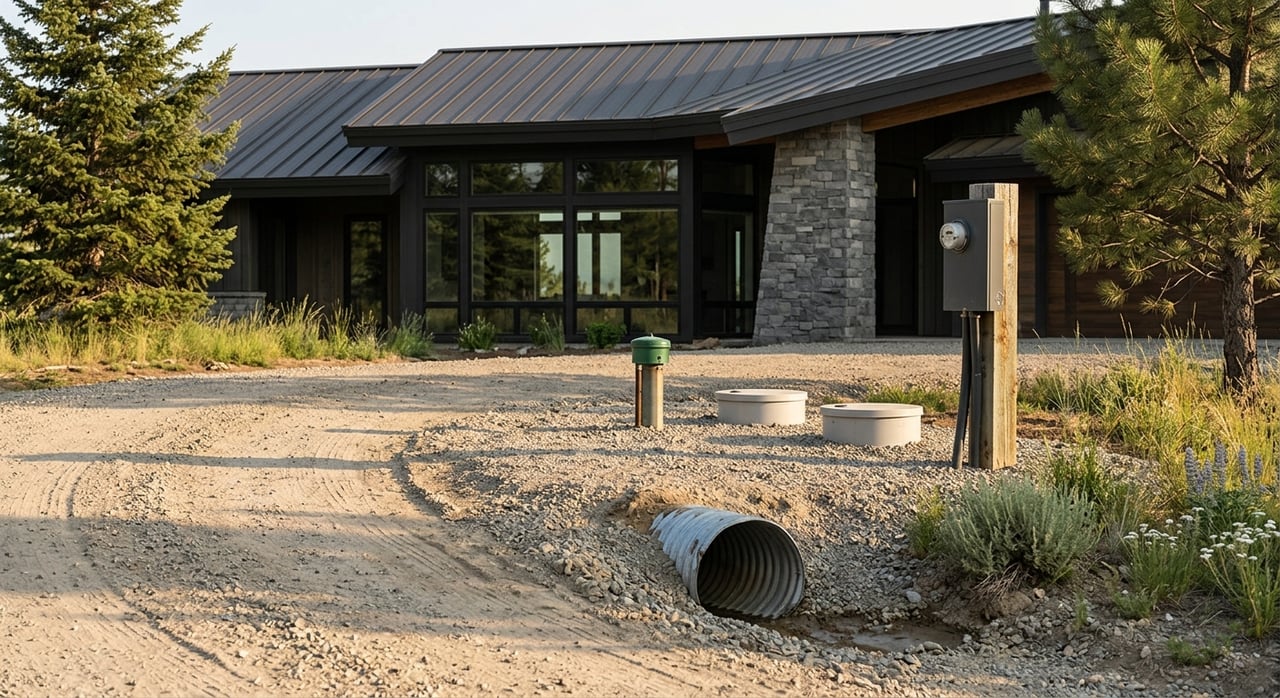
Flathead County’s Environmental Health office says a public accommodations license is required for nightly or weekly sleeping accommodations, including vacation rentals, Airbnb properties, and VRBO rentals. The county also notes that inadequate septic capacity is a common reason a license is denied.
That makes septic records, approved bedroom count, and any subdivision restrictions especially important. Under county standards, maximum occupancy is the smaller of septic capacity or bedroom count. If the property is served by a private water source rather than municipal water, the county says the owner must test water twice each year for coliforms and once every three years for nitrates and nitrites.
Questions to ask about septic and water
- How many bedrooms are legally approved for the property?
- What occupancy does the septic system support?
- Is there documentation showing septic design capacity?
- Is the property on private well water, and if so, what testing schedule applies?
- Have there been prior licensing or health-department issues?
Ask whether the HOA or CC&Rs limit rentals
Even if the county allows short-term rentals, the property may still face private restrictions. Flathead County is clear that it does not enforce HOA rules or CC&Rs, and that review is the buyer’s responsibility.
This means a property can satisfy county STR requirements and still be limited by the subdivision or homeowners association. Some communities may restrict rentals entirely, while others may set minimum stay requirements, owner-use rules, parking limits, or guest registration requirements.
Before you close, ask for the full set of governing documents and review them carefully. This is one of the simplest ways to avoid buying a property that does not fit your intended use.
Ask what waterfront ownership really involves
Lakefront or lake-access homes can be especially appealing in Bigfork, but they can also bring another layer of permits, costs, and maintenance. If the property is on or near the water, make sure you understand what is already permitted and what future work may require.
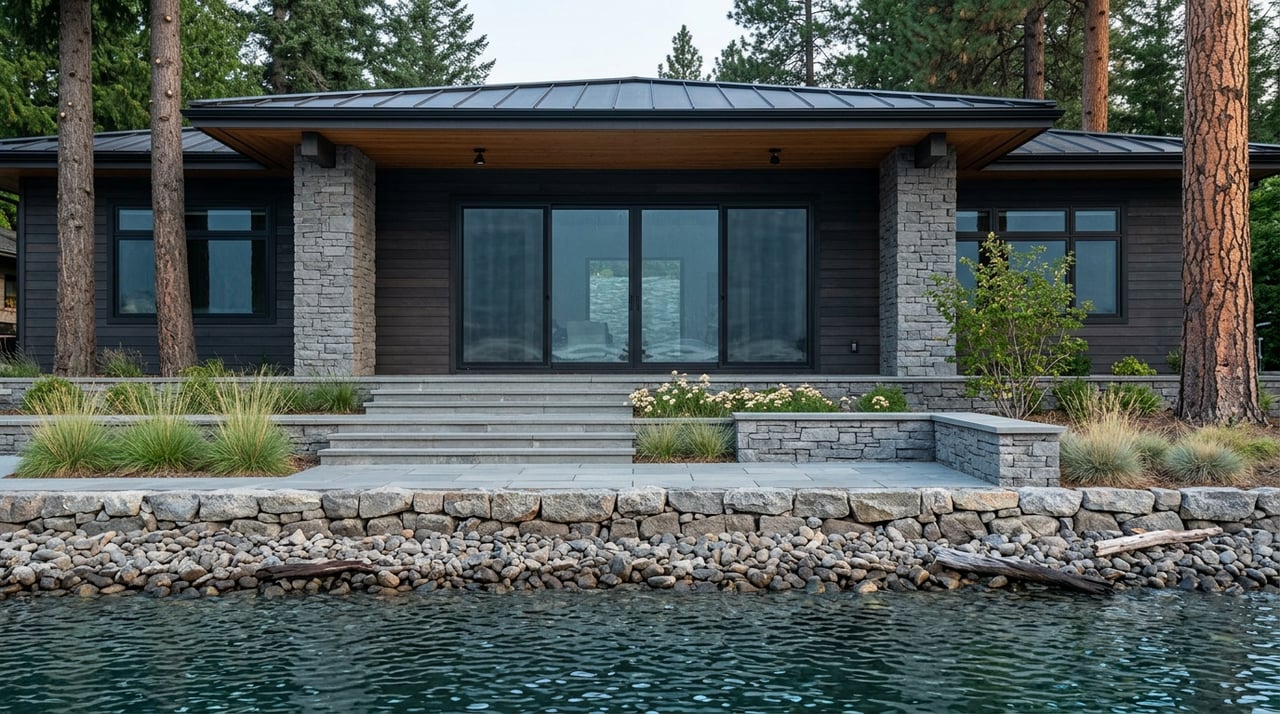
Flathead County defines the lakeshore protection zone as the area within 20 horizontal feet of the lake perimeter at mean annual high water. A Lake and Lakeshore Construction Permit may be required for work on or disturbance of the lake, lakebed, or lakeshore protection zone.
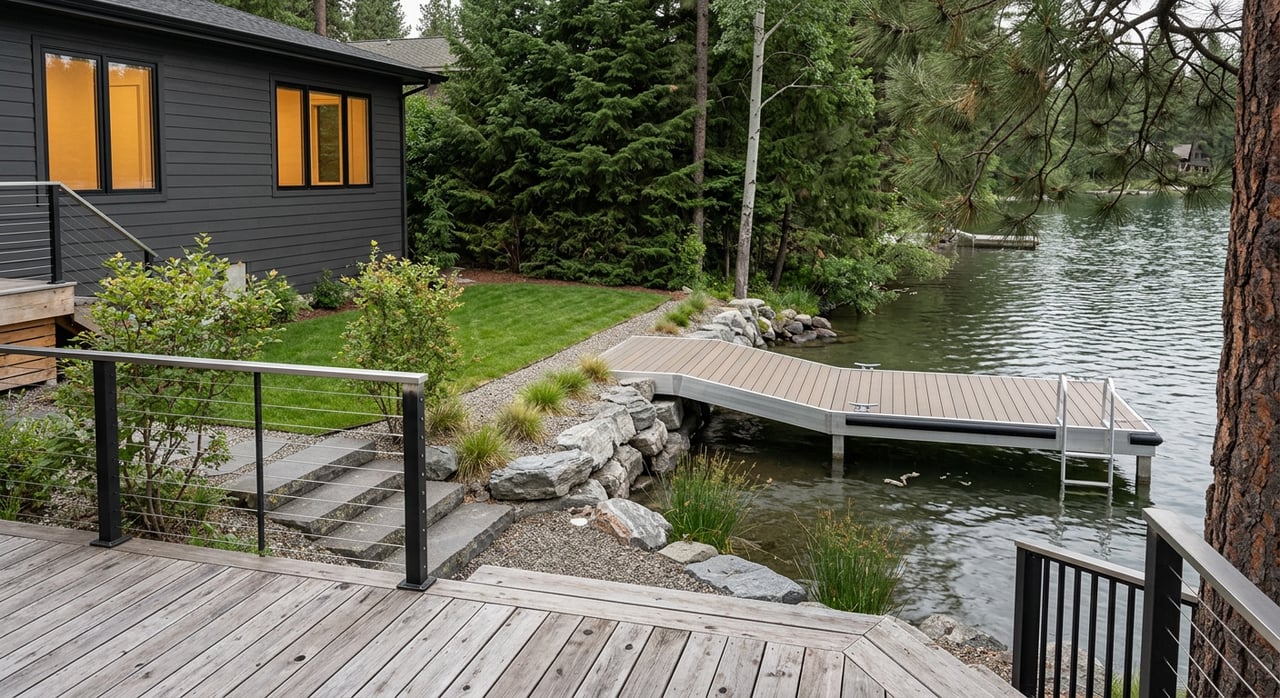
According to the county’s lakeshore permit materials, common regulated activities can include docks, gangways, shore stations, watercraft lifts, riprap, walkways, stairways, decks, and water lines. For a waterfront buyer, that means shoreline improvements are not just design questions. They can affect your budget, timeline, and future use of the property.
Waterfront diligence checklist
- Is there an existing dock, buoy, lift, or shoreline improvement?
- Were those improvements properly permitted?
- Will future repairs or upgrades trigger lakeshore review?
- Does the property rely on private well or septic service near the shoreline?
- Have you budgeted for maintenance, inspection, and possible permit work?
Ask what a realistic expense picture looks like
Revenue matters, but net income is what makes or breaks a vacation-rental purchase. In Bigfork, your expense planning should be just as careful as your pricing assumptions.
A realistic budget may include county permit fees, health-department licensing, tax compliance, insurance, utilities, cleaning and turnover, management or local contact costs, septic maintenance, water testing, HOA dues, parking compliance, signage, and waterfront permit costs if applicable. If the home is already operating without approval, the county fee schedule suggests the process can become more expensive after the fact.
This is why the best buying conversation is not just, “How much could it gross?” It is, “After compliance, maintenance, and seasonal vacancy, does this still meet your goals?”
A smart Bigfork purchase starts with better questions
Bigfork can be a compelling place to buy a vacation rental if you want a property tied to Flathead Lake living, recreation, and seasonal visitor demand. But this is not the kind of market where you want to make assumptions about zoning, occupancy, septic capacity, HOA rules, or waterfront improvements.
The right property is the one that fits both your lifestyle goals and your operating reality. If you want help evaluating Bigfork vacation-rental opportunities with a practical, local lens, connect with Mel Libby for guidance grounded in the Flathead Lake market.
FAQs
What should you ask before buying a vacation rental in Bigfork?
- Ask about zoning, short-term rental permit requirements, septic capacity, HOA or CC&R restrictions, local contact requirements, health-department licensing, taxes, and whether the property’s income potential is based on realistic seasonal demand.
Does Bigfork allow short-term rentals everywhere?
- No. Flathead County says short-term rental rules depend on the property’s zoning district, with some zones allowing STRs, some requiring an administrative conditional use permit, and others prohibiting them.
Do Bigfork vacation rentals need a permit?
- Often, yes. Flathead County says permit requirements depend on zoning, and separate health-department licensing may also apply for nightly or weekly sleeping accommodations.
Why does septic capacity matter for a Bigfork STR?
- Septic capacity can limit legal occupancy. Flathead County says maximum occupancy is the smaller of septic capacity or bedroom count, and inadequate septic capacity is a common reason a public accommodations license may be denied.
Do HOA rules matter if the county approves the STR?
- Yes. The county does not enforce private HOA rules or CC&Rs, so a property may still face rental restrictions even if it satisfies county requirements.
Are Bigfork vacation rentals seasonal?
- They can be. Visitor and park-use data for the Flathead Lake area suggest demand is stronger in warmer months, so it is wise to underwrite with summer-heavy occupancy and slower shoulder or winter periods in mind.