If you’re buying from out of state, closing on a home in Big Sky can feel a lot different than closing in a typical town. Between the area’s resort character, its split across Gallatin and Madison counties, and the layers of HOAs and special districts, there are simply more details to confirm before you sign. The good news is that with the right plan, you can stay organized, avoid surprises, and move toward closing with confidence. Let’s dive in.
Why Big Sky closings feel different
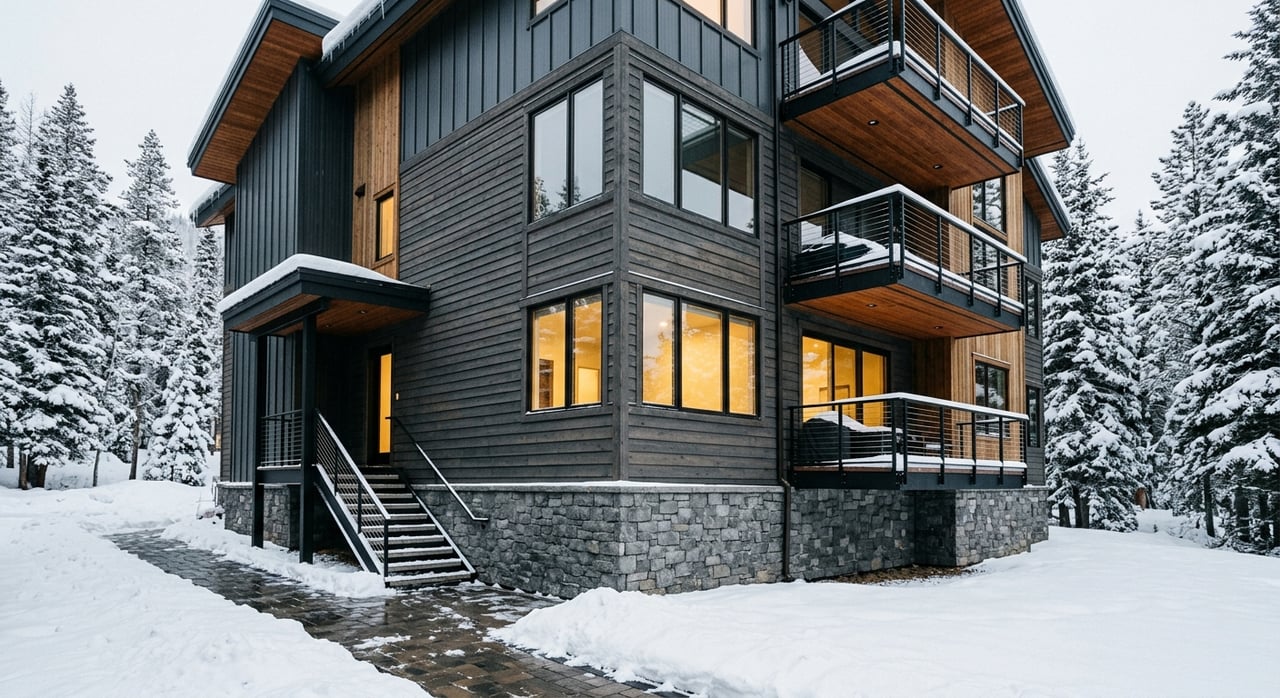
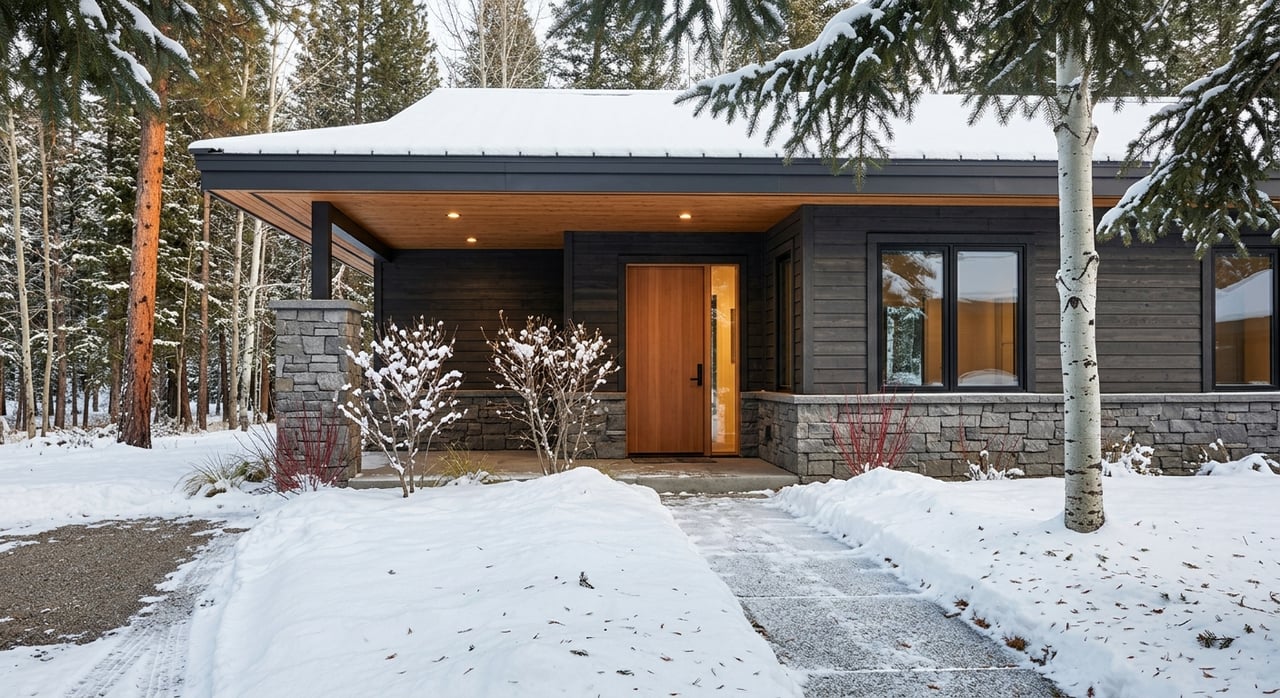
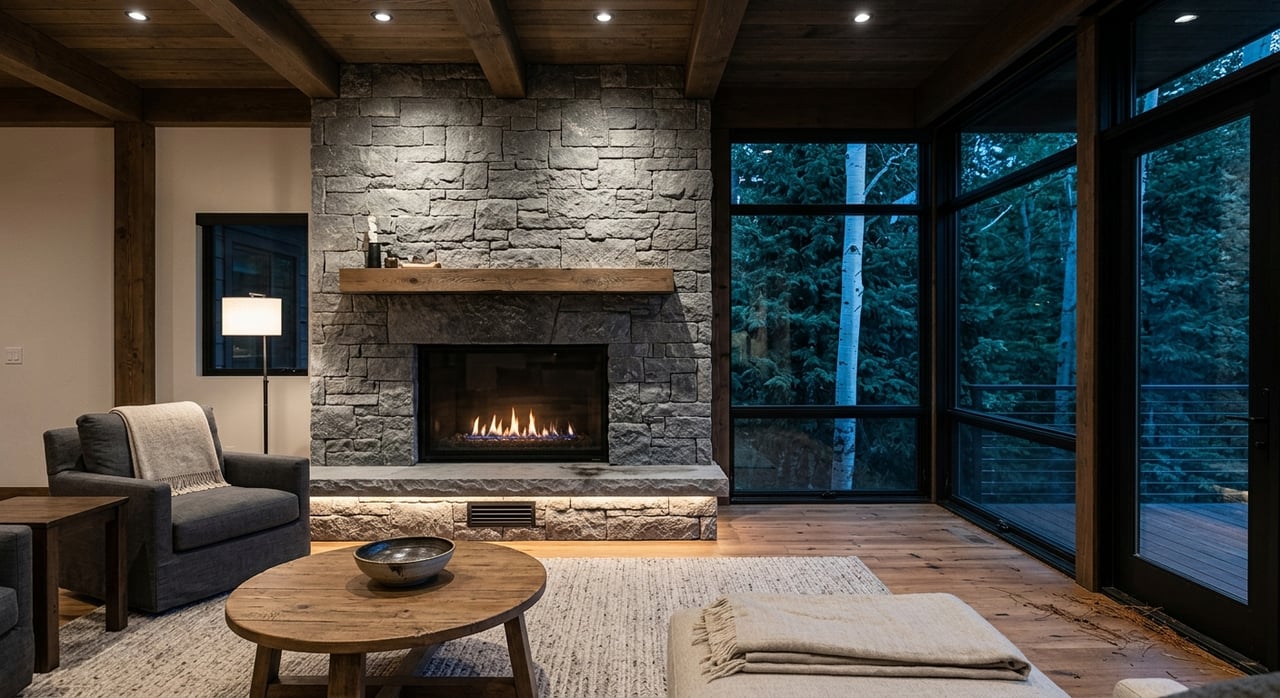
Big Sky is a mountain resort community, not a standard suburban market. Local sources describe it as a Yellowstone gateway community, and it is also an unincorporated census-designated place that spans both Gallatin and Madison counties.
That matters because your purchase may involve more than just the house itself. Depending on the property, you may need to verify county jurisdiction, review HOA documents, understand special district obligations, and coordinate much of the process before you are physically in Montana.
For out-of-state buyers, this usually means one thing: organization matters early. The more quickly you review documents and ask questions, the smoother your closing timeline is likely to be.
Start with county and property basics
Before closing, confirm exactly where the property sits and which local rules apply. In Big Sky, that step is especially important because the community spans multiple counties and includes a mix of governance layers.
If the property is in Gallatin County, buyers may need to verify zoning, address status, or permit history through county planning resources. Gallatin County Planning also notes that some properties may need items like land-use review, septic permitting, or road access permits depending on the property and future plans.
This becomes even more important if you are buying land, acreage, or a home outside full municipal service. In those cases, local approvals and records may be part of your due diligence before closing, not something to leave for later.
Review seller disclosures right away
Montana has specific rules around residential seller disclosures, and timing matters. Under Montana law, the seller disclosure is not a warranty and not a substitute for inspections.
The law also gives buyers an important timing protection. Unless the parties agree otherwise in writing, a contract is not effective until 3 days after you receive the disclosure statement, and you may rescind during that period.
If the disclosure arrives after the contract is already signed, you still have 3 days from delivery to rescind in writing unless the parties agreed otherwise. For an out-of-state buyer, that means the disclosure package can affect both your timeline and your negotiating position, so it should be reviewed as soon as it lands in your inbox.
Inspections matter in a mountain market
In a place like Big Sky, inspections are not just a box to check. They are one of the clearest ways to understand how the property functions in a mountain setting and whether any local systems or site conditions need follow-up.
Gallatin County Environmental Health handles septic permits, septic inspections, subdivision sanitation evaluations, and the local radon program. If the home relies on systems outside full municipal infrastructure, those records can be relevant to your due diligence before closing.
Radon deserves special attention. Montana law requires a radon disclosure in real estate documents, and state law specifically notes that elevated radon levels have been found in Montana buildings. In practical terms, radon testing is a normal part of due diligence in Montana, not a niche add-on.
Expect HOA and use-restriction review
Big Sky includes hundreds of HOAs along with multiple special districts. Because of that structure, out-of-state buyers should expect a larger pre-closing document stack than they might see elsewhere.
At a minimum, plan to review HOA documents, CCRs, dues information, and any use restrictions tied to the property. This is especially important if you are buying a second home, a condo, or a property in a resort-oriented development.
You want to know how the property can be used, what fees apply, and whether there are rules that affect your plans. Reviewing those details before closing is much easier than discovering them after recording.
Understand second-home financing rules
Many Big Sky buyers are not purchasing a primary residence. If you are financing a second home, your lender may apply different occupancy standards than they would for a primary home.
Fannie Mae’s guidance says a second home must generally be a one-unit property that is suitable for year-round occupancy, occupied by the borrower for part of the year, under the borrower’s exclusive control, and not a rental property or timeshare arrangement. If rental income is involved, the loan may still be eligible in some cases, but only if it meets the applicable second-home rules and that income is not used for qualifying.
This is one reason it helps to be clear about your intended use from the start. If your plan is personal getaway first, occasional rental second, make sure your financing path matches that use before you get too far into the process.
Plan for Closing Disclosure timing
If your purchase is mortgage-backed, your Closing Disclosure timing is not flexible. Federal rules require that you receive the Closing Disclosure at least 3 business days before closing.
For remote buyers, the safest move is to get ahead of that deadline. The CFPB advises buyers to contact the lender or closing agent at least a week before closing to confirm how the Closing Disclosure will be delivered and to request the rest of the closing packet in advance.
That simple step can reduce last-minute scrambling. It also gives you more time to review numbers carefully, ask questions, and confirm wire instructions and signing logistics.
Remote closing is possible in Montana
If you cannot be physically present in Montana for signing, there is good news. Montana allows remote online notarization.
According to the Montana Secretary of State, the notary must be physically located in Montana, but the signer may be anywhere in the world. The session must use live two-way audio-video, and the notarization is electronically recorded.
This can be a major advantage for out-of-state buyers trying to coordinate travel, lender requirements, and a fixed closing date. Even so, it is smart to confirm early that all parties in your transaction are aligned on the signing method and timing.
Know what gets recorded at closing
Once closing is complete, recording matters. In Gallatin County, the Clerk and Recorder accepts electronic recording through third-party vendors, and all transfers of real property must be accompanied by a fully completed Montana Realty Transfer Certificate when the deed is recorded.
That certificate is more than just a formality. If water rights are part of the property, the Realty Transfer Certificate includes a water-right disclosure section that should match the deed and closing paperwork.
Montana instructions also state that historically used water rights pass with the land unless they are expressly reserved or severed. When water rights transfer, DNRC Form 608 is used to update ownership, so consistency across the closing package is important.
Closing costs in Montana may look different
Many out-of-state buyers expect to see a state or local transfer tax on the sale. In Montana, state law prohibits state or local taxes on the sale or transfer of real property.
That does not mean your closing costs will be minimal, but it does change where those costs usually come from. In most cases, buyers should expect costs to center on title-related fees, lender charges, recording fees, prepaid items, and any negotiated contract costs rather than a transfer tax.
For second-home and vacation-property buyers, this can make the final settlement statement look a little different than what you may have seen in other states. Reviewing the numbers early helps avoid surprises.
Don’t forget post-closing tax details
Your work is not fully done once the deed records. After closing, make sure your mailing address is correct so future tax notices go to the right place.
Gallatin County’s treasurer page is the local place to check tax bills, payoff information, and mailing-address issues. The county also directs owners to the Montana Department of Revenue Bozeman office for address changes, assessed-value questions, and appeals.
Property tax classification also matters for second-home buyers. Montana’s 2026 property tax information says the state distinguishes primary residences and long-term rentals from second homes, short-term rentals, and vacant residential lots. For tax year 2026, second homes, short-term rentals, and vacant residential lots are subject to a flat 1.90% rate, while homesteads and qualifying long-term rentals may be eligible for a reduced tiered rate if occupancy requirements are met.
A practical closing checklist for out-of-state buyers
If you want a smoother Big Sky closing, focus on the items that tend to create delays or confusion.
- Confirm whether the property is in Gallatin or Madison County
- Review seller disclosures as soon as received
- Schedule inspections early, including radon testing when appropriate
- Verify septic, zoning, permit, and road access records if relevant
- Request HOA, CCR, dues, and use-restriction documents early
- Confirm your intended occupancy with your lender if financing a second home
- Watch for the Closing Disclosure and review it at least 3 business days before closing
- Confirm whether you will sign in person or through Montana remote online notarization
- Review the deed and Realty Transfer Certificate carefully, especially if water rights apply
- Update your mailing address after recording so tax notices reach you
The bottom line on closing in Big Sky
Buying in Big Sky can absolutely be done from out of state, but it works best when you treat closing as a coordinated process, not a final-day event. In a resort market with multiple jurisdictions, layered property governance, and mountain-specific due diligence, the details matter.
When you know what to review, when to review it, and which local items can affect timing, you put yourself in a much stronger position. That is how you protect your timeline, your budget, and your peace of mind while moving one step closer to Montana mountain living.
If you’re preparing for a move or second-home purchase in Big Sky and want practical guidance from a Montana resort-market specialist, Mel Libby is here to help.
FAQs
What makes a Big Sky closing different for out-of-state buyers?
- Big Sky spans multiple counties and includes many HOAs and special districts, so buyers often need extra document review, jurisdiction checks, and remote coordination before closing.
When should an out-of-state buyer review Montana seller disclosures?
- You should review seller disclosures immediately because Montana law gives buyers specific timing rights, including a 3-day period tied to delivery unless the parties agree otherwise in writing.
Do Big Sky buyers need to check septic or zoning records before closing?
- In some cases, yes. Gallatin County notes that buyers may need zoning verification, septic permits, address information, or other local approvals depending on the property.
Is radon testing important when buying in Big Sky, Montana?
- Yes. Montana law requires a radon disclosure in real estate documents, and elevated radon levels have been found in Montana buildings, so testing is a common part of due diligence.
Can you close on a Big Sky property remotely?
- Yes. Montana allows remote online notarization when the notary is physically located in Montana and the signing uses live two-way audio-video technology.
Is there a real estate transfer tax when buying property in Montana?
- No. Montana law prohibits state or local taxes on the sale or transfer of real property, so closing costs typically come from other items such as title, lender, recording, and prepaid charges.