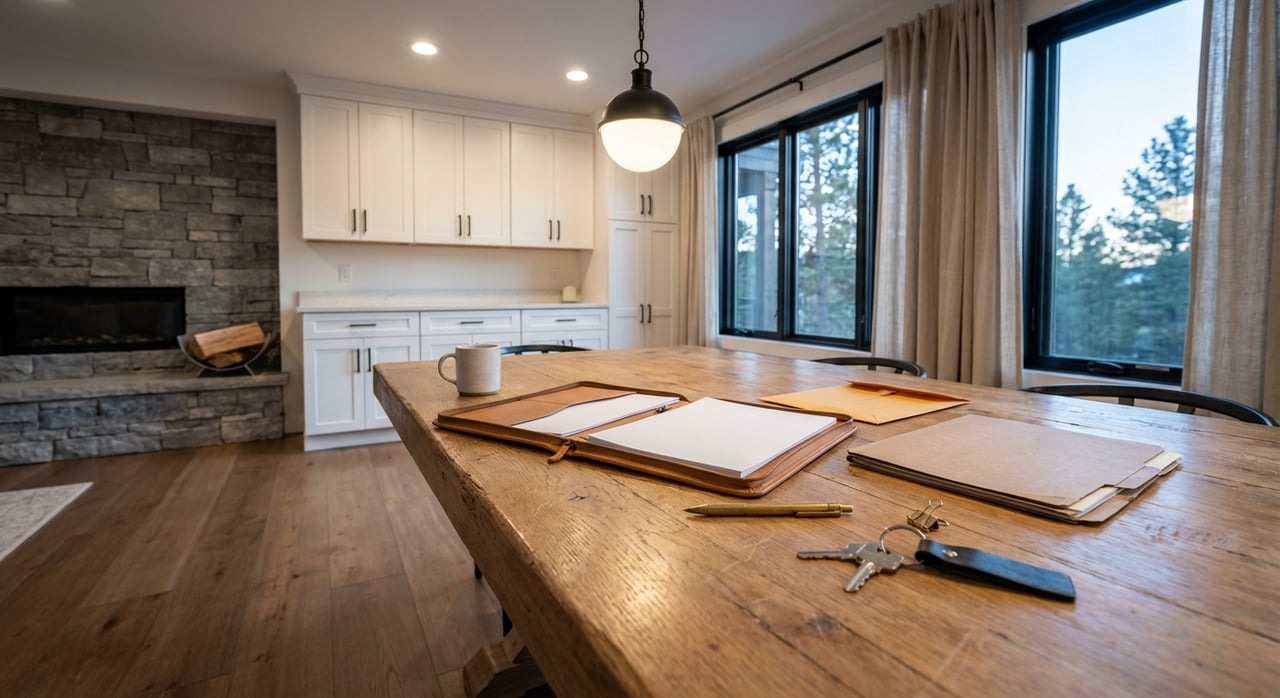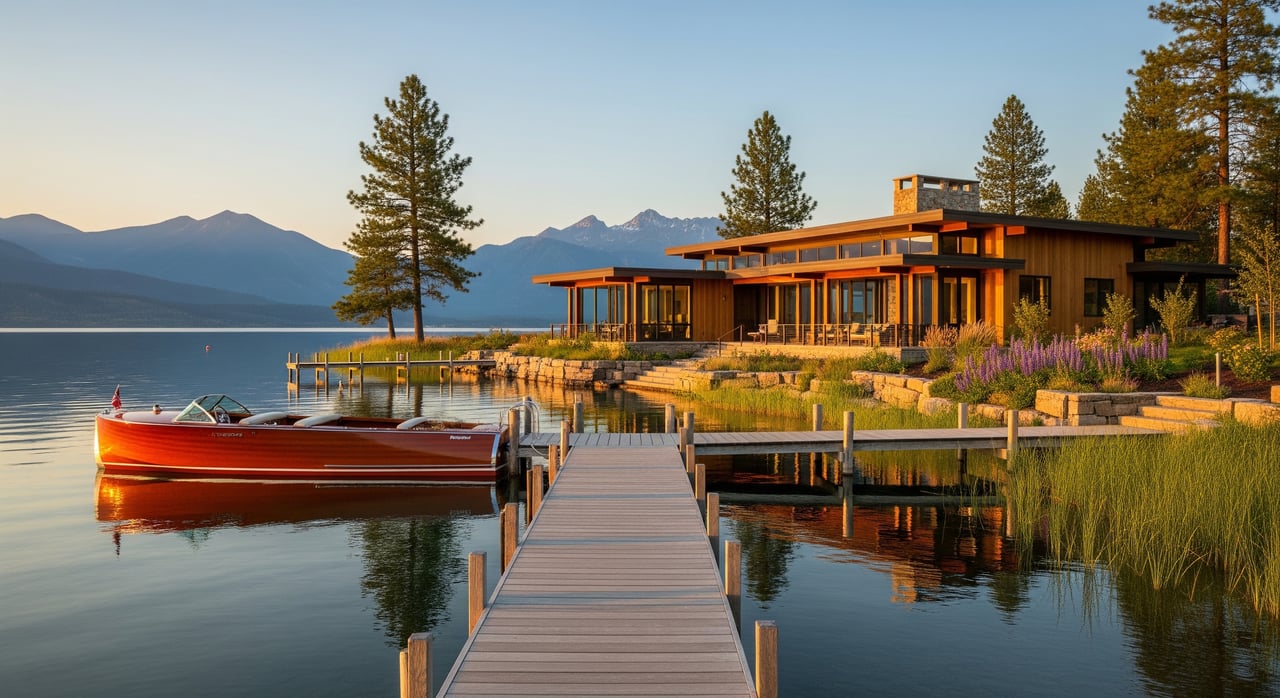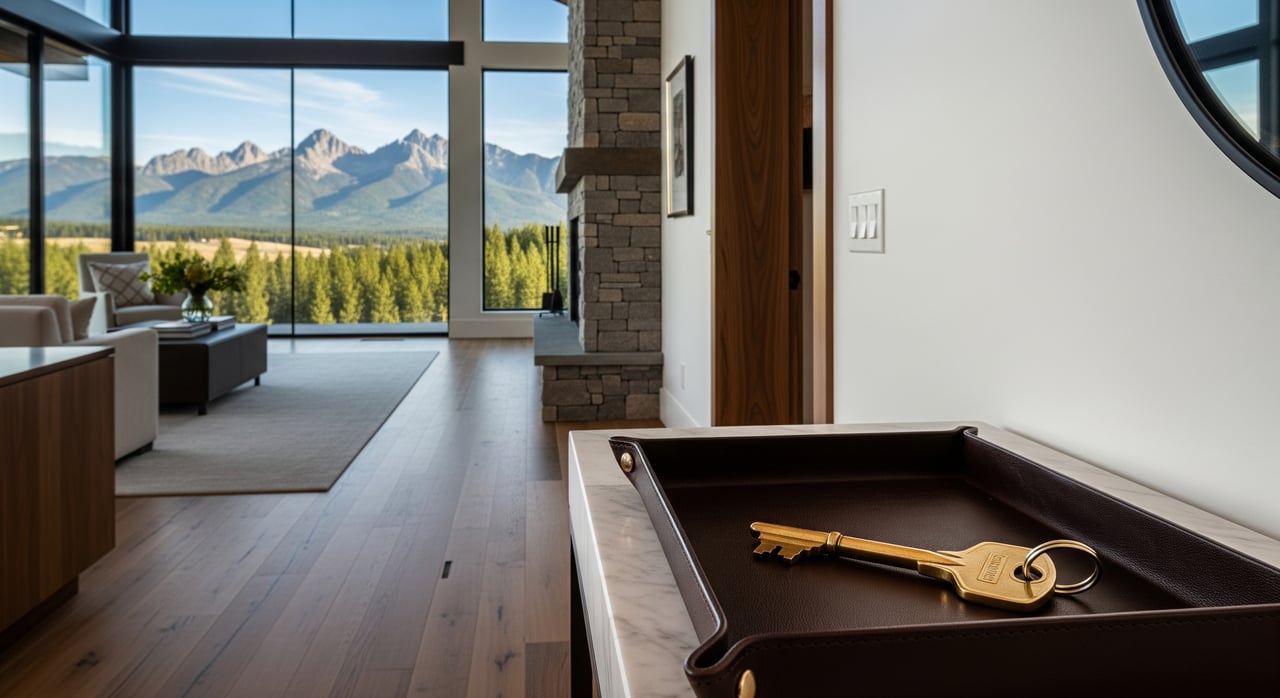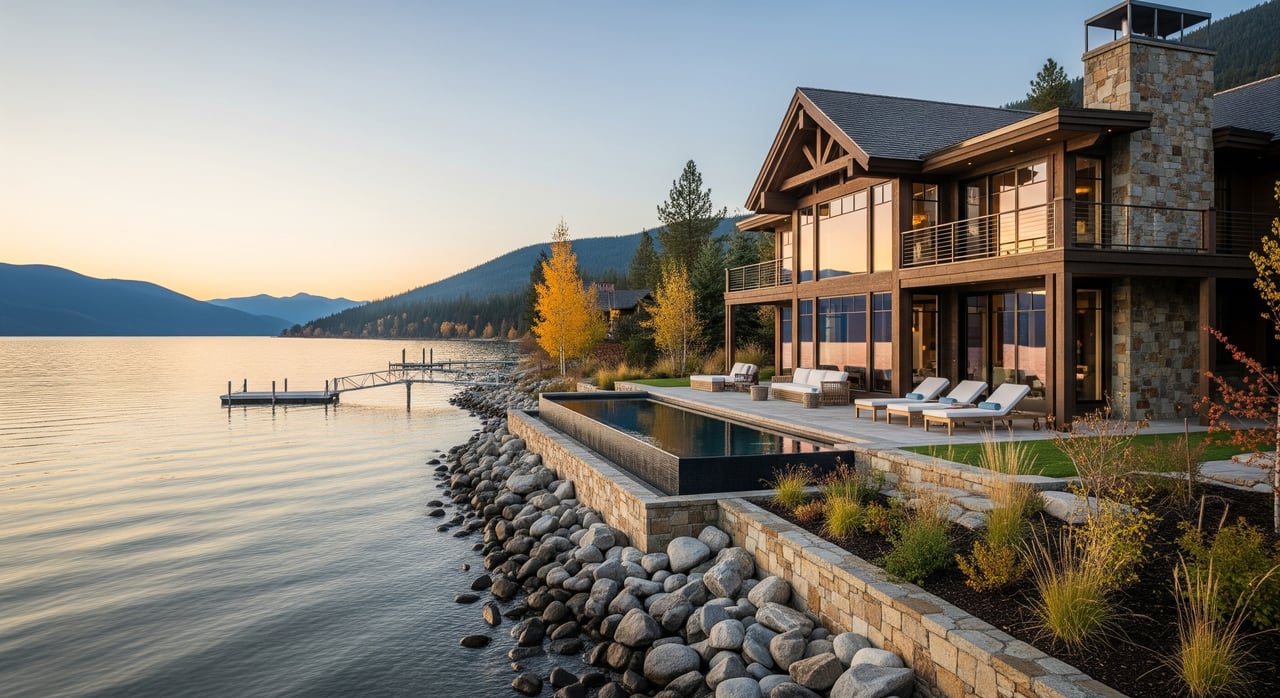
Thinking about selling your Whitefish home but not sure when to list? In a resort market that thrives on ski days and summer lake life, timing can shape your price, your days on market, and how smoothly your sale goes. You want a plan that fits your property and your goals, without guessing. This guide breaks down the local seasons, the buyer mix in each one, and a clear timeline so you can prepare, price, and list with confidence. Let’s dive in.
How seasonality shapes Whitefish sales
Whitefish is a two-peak market. Winter brings ski-focused buyers who value proximity to Whitefish Mountain Resort. Summer draws visitors who fall in love with Glacier National Park and the lake lifestyle. Each season changes inventory levels, buyer urgency, and negotiating power.
Winter: December to March
Winter attracts ski buyers and investors who want winter rental weeks. Inventory is often lower because many second-home owners prefer not to sell during ski season. Well-priced, ski-adjacent homes can see strong interest, although holiday weeks can slow showings. Plan for weather logistics, like snow removal, clear driveways, and warm, welcoming interiors.
Spring to early summer: April to June
Spring usually brings more listings as owners prepare for summer. Local and relocation buyers ramp back up, and second-home buyers plan ahead for summer use. More inventory can stretch days on market in some price ranges, yet attractive homes still draw competitive offers. The timing of Going-to-the-Sun Road openings can influence visitation and buyer urgency, which varies year to year.
Peak summer: June to August
Visitor traffic surges in summer and many out-of-area visitors become buyers. Turnkey vacation properties often shine, with outdoor spaces and landscaping in full display. Inventory may remain elevated, but demand for well-located homes stays strong. Buyers seeking immediate summer use often prefer quick possession.
Fall shoulder: September to November
After peak summer, some buyers look for value. Inventory can tighten again as visitor levels drop. Motivated sellers who want to close before winter may price more competitively. This can be a strategic window if you are ready and flexible on terms.
Match your property to the right season
Not every home should list at the same time. Align your timing with the most likely buyer for your property.
Ski-adjacent homes and condos
List in late fall or early winter to catch ski season momentum. Highlight ski-in or ski-adjacent access, heated garages, and gear storage. Many winter buyers prioritize convenience and are willing to act quickly when the fit is right.
Lake-proximate and outdoor-focused homes
List in late spring or early summer. Showcase decks, patios, landscaping, and trail or water access. Summer buyers value outdoor living and turnkey readiness for immediate summer enjoyment.
Year-round primary residences
List when local and relocation buyers are most active, often in spring. Focus on insulation, heating efficiency, and year-round access. These buyers tend to be more price and condition sensitive, so proactive repairs and clean disclosures help your bottom line.
Short-term-rental friendly properties
Time your listing to an upcoming revenue season. Winter-focused STRs can launch ahead of ski weeks, while summer-friendly properties list in late spring. Be prepared to share rental history, occupancy data, and relevant permits or licenses.
Pros and cons by season
Listing during ski season
- Pros
- Buyer pool focused on ski and winter recreation, ideal for ski-area homes.
- Lower inventory in some segments can improve leverage.
- Peak-week visitors may include fast movers and cash buyers.
- Cons
- Weather can complicate showings and access.
- Holiday weeks can be slow for decisions.
- Activity can feel uneven with bursts and lulls.
Listing in summer
- Pros
- High visitation increases exposure to out-of-area buyers.
- Landscaping and curb appeal are at their best for photos and tours.
- Buyers planning summer occupancy often want quick closings.
- Cons
- More listings mean more competition.
- Owner-occupied vacation homes can make showings tricky.
- Pricing pressure can rise in crowded segments.
Listing in shoulder seasons
- Pros
- Motivated buyers may face fewer competing offers.
- Sellers who prepare early can stand out.
- Cons
- Smaller buyer pool than peak seasons.
- Some buyers expect price flexibility.
Your ideal timeline to list
A professional, prepared listing typically needs 6 to 10 weeks from decision to market. If you plan larger repairs or new landscaping, plan for 2 to 3 months.
To capture ski season
- Start preparations in September or October. Complete inspections, maintenance, and staging.
- Schedule photography in late fall or after the first clean snowfall for strong visuals.
- List in late November or early December to reach early ski traffic and holiday travelers. Try to avoid the last two weeks of December when activity can slow.
- Be ready for shorter escrow periods if buyers want winter occupancy.
To capture peak summer
- Start in March or April with curb appeal, exterior paint touch-ups, and deck or rail repairs.
- Shoot photography in late May or June when the landscape is green and inviting.
- List from mid May through June to capture buyers planning summer use.
- Prepare for requests for quick possession from out-of-town buyers and investors.
If you need to sell quickly
- List in the current season with realistic pricing.
- Offer flexible showings and consider incentives, like closing cost help or a faster closing timeline.
- Expect more negotiation off season, and plan for possible concessions.
Pre-list checklist
- Repairs and systems
- Service HVAC and heating systems, check roof, and inspect water systems.
- For winter listings, confirm snow removal plans and safe access.
- Seasonal readiness
- Winter: clear driveways and walkways, create a warm, inviting interior.
- Summer: refresh lawn and landscaping, stage outdoor furniture, touch up paint.
- Documentation
- Provide any recent inspection, HOA or covenants, rental history if applicable, and utility bills.
- For STRs, organize licensing and lodging tax records, plus verified income and expense data.
- Marketing assets
- Schedule professional interior and exterior photography. Consider twilight and drone for location-driven properties.
- Pricing comps
- Pull comparables from similar seasons when possible because resort markets are seasonal. Review active, pending, and closed data to set expectations.
Pricing, marketing, and negotiation tips
- Price with seasonal context. Look at several years of monthly data rather than a single month. Seasonality is consistent, but details change year to year.
- Use seasonal photography. Snow scenes for ski appeal, green landscapes for summer draw. If the season changes, update key photos.
- Make access easy. In winter, show a clear path and good parking. In summer, schedule showings around local events and peak traffic when possible.
- Expect different terms by season. Peak periods can bring stronger offers with fewer contingencies. Off season, buyers may ask for more concessions or longer timelines.
- For STR-dependent sales, share verified numbers. Investors want actual rental income, occupancy, expense records, and permit details.
Local rules and logistics to know
- Short-term rentals and taxes. Whitefish has local lodging tax obligations and may require licensing or registration for STRs. Confirm your property’s compliance before advertising rental income.
- Seasonal access and utilities. Document winter road maintenance, snow load considerations, and heating capacity. If systems are winterized, disclose reactivation steps.
- Events and tourism calendars. Summer festivals, school breaks, and resort events can raise buyer traffic. Use these calendars to time open houses and showings.
- Insurance and hazards. Disclose wildfire, floodplain, or other known environmental risks based on local maps and resources.
- Taxes and assessments. Understand assessment timing and any special assessments. Buyers appreciate clear, upfront information.
Data to watch before you list
- Monthly MLS statistics for Whitefish and Flathead County, including active listings, median price, and days on market.
- Recent closed sales from county records for real closing timelines.
- Visitor and operations updates from Whitefish Mountain Resort and Glacier National Park because season dates and road openings can shift.
- City of Whitefish planning updates for any STR policy changes.
Reviewing 12 to 36 months of data can reveal the seasonal rhythm and help fine tune your pricing and timing.
The bottom line
The best time to sell in Whitefish depends on your property and your goals. Ski-area homes should aim for winter visibility. Turnkey summer and lake-friendly homes do best with late spring launch and summer-showcase photos. If you need speed, price realistically and make access easy in any season. With the right prep, strategy, and timing, you can capture the season that fits your buyer and maximize your outcome.
Ready to build your timing plan or get a market-readiness checklist tailored to your property? Let’s connect with Mel Libby for a local, season-smart strategy that fits your goals.
FAQs
What month is generally best to list a Whitefish home?
- Late spring through early summer is effective for many properties because buyer traffic and curb appeal peak, while ski-area homes often perform well when listed just before or during ski season.
How does winter weather affect showings and days on market?
- Winter can bring lower overall inventory and motivated ski buyers, but snow and travel can slow showings during holiday weeks. Clear access and warm staging help.
Should I wait for Going-to-the-Sun Road to open before listing?
- If your home’s value is tied to summer use and outdoor appeal, listing in late spring can capture buyers planning for summer regardless of the exact road opening date.
Do short-term-rental rules impact my sale timing in Whitefish?
- Yes. STR licensing and lodging tax obligations matter to investor buyers. Have permits and revenue records ready and confirm current policies before marketing rental potential.
How far ahead should I start preparing my home to sell?
- Plan for 6 to 10 weeks for an optimized listing. Allow 2 to 3 months if you need larger repairs or landscaping before professional photos and launch.