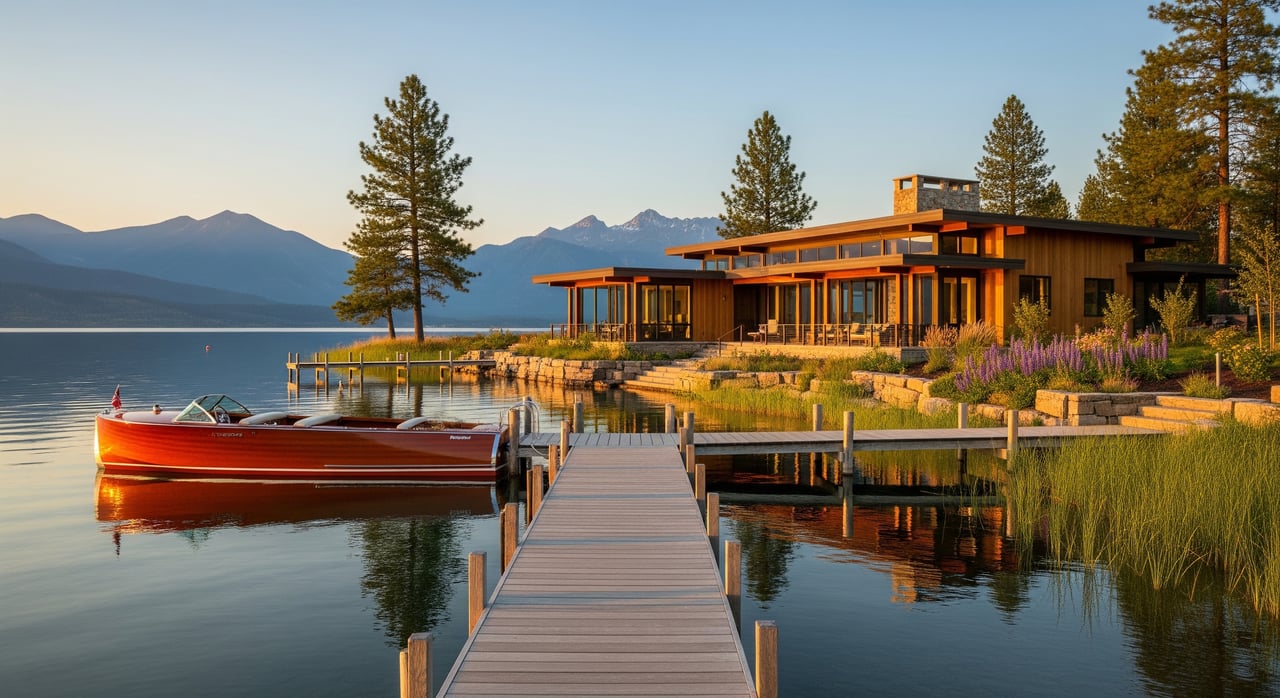
Picture your morning coffee with glassy water stretching to the horizon and the Mission Mountains catching first light. If you’re weighing a move to Polson, you likely want more than a vacation vibe. You want to know how daily life actually works here, from groceries and schools to winter driving and lake access. This guide walks you through what it feels like to live in Polson on Flathead Lake’s south shore so you can decide if it fits your lifestyle. Let’s dive in.
Where Polson fits on the map
Polson sits on the southern edge of Flathead Lake in Lake County, Montana. US Highway 93 runs right through town, connecting north to the Kalispell and Glacier area and south to Missoula. The town centers on the waterfront, with neighborhoods, shops, parks, and marinas hugging the shore. You’ll feel the presence of the lake in almost everything, from weekend plans to traffic patterns in peak summer.
Daily life and essentials
Polson’s downtown has the basics you use every week. You’ll find independent shops, cafés, seasonal eateries, and service businesses alongside county and city offices. Summer brings more visitors and extended hours for some businesses. Winter is quieter, and a few seasonal spots may reduce hours, so you plan ahead.
Groceries and services
Local grocery and hardware options cover routine needs, plus banking, auto services, and a post office. For specialty shopping or big-box variety, most residents make day trips to larger hubs in either direction along Highway 93.
Healthcare and emergency care
You’ll have access to local primary-care clinics for checkups and minor needs. For specialized or hospital-level care, many residents travel to regional hospitals in Kalispell or Missoula. It helps to keep a personal plan for urgent care during winter weather and to know your route options.
Lake access and outdoor living
Flathead Lake is the heart of the lifestyle here. In summer you’ll see boats cruising, paddleboards at the beach, families swimming in protected areas, and anglers launching early. Spring and fall feel relaxed with more fishing and shoreline walks. Winter shifts to cross-training, ice fishing when conditions allow, and trips to nearby mountain trails.
Parks, beaches, and marinas
Public beaches, city parks, state units, and private marinas give you options for getting on the water. For seasonal hours, launches, and beach rules, check city parks and state sites like the City of Polson and Montana State Parks. Expect popular spots to fill early on sunny weekends.
Fishing, boating, and safety
Fishing for lake trout, northern pike, and perch is a staple. Review current seasons, licensing, and boating rules with Montana Fish, Wildlife & Parks. Summer weekends can be busy, so plan early launches, carry your life jackets, and keep an eye on wind shifts in the afternoon.
Seasons and climate
You get four distinct seasons. Summers are warm and sunny, often moderated by the lake’s influence. Winters bring snow, cold snaps, and short daylight, along with a slower pace and more community events indoors. Spring and fall are transitional and beautiful, with crisp mornings and wide-open views.
Weather hazards and prep
Wildfire smoke can impact air quality some summers. Winter storms can slow travel on Highway 93. Practical prep goes a long way. Many residents keep a HEPA air purifier for smoky days, maintain defensible space around homes, and use winter tires. For current fire info and preparedness tips, follow the Montana DNRC. For weather and hazard updates, use the National Weather Service and road conditions from the Montana Department of Transportation.
Housing and neighborhoods
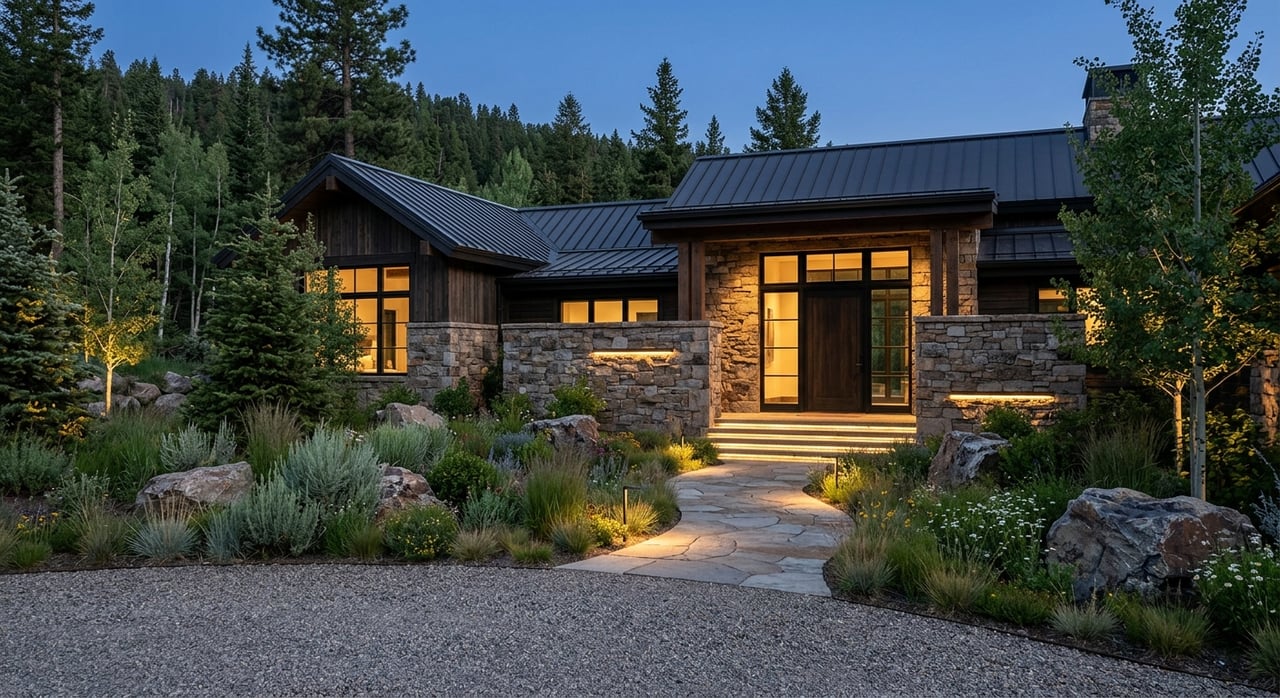
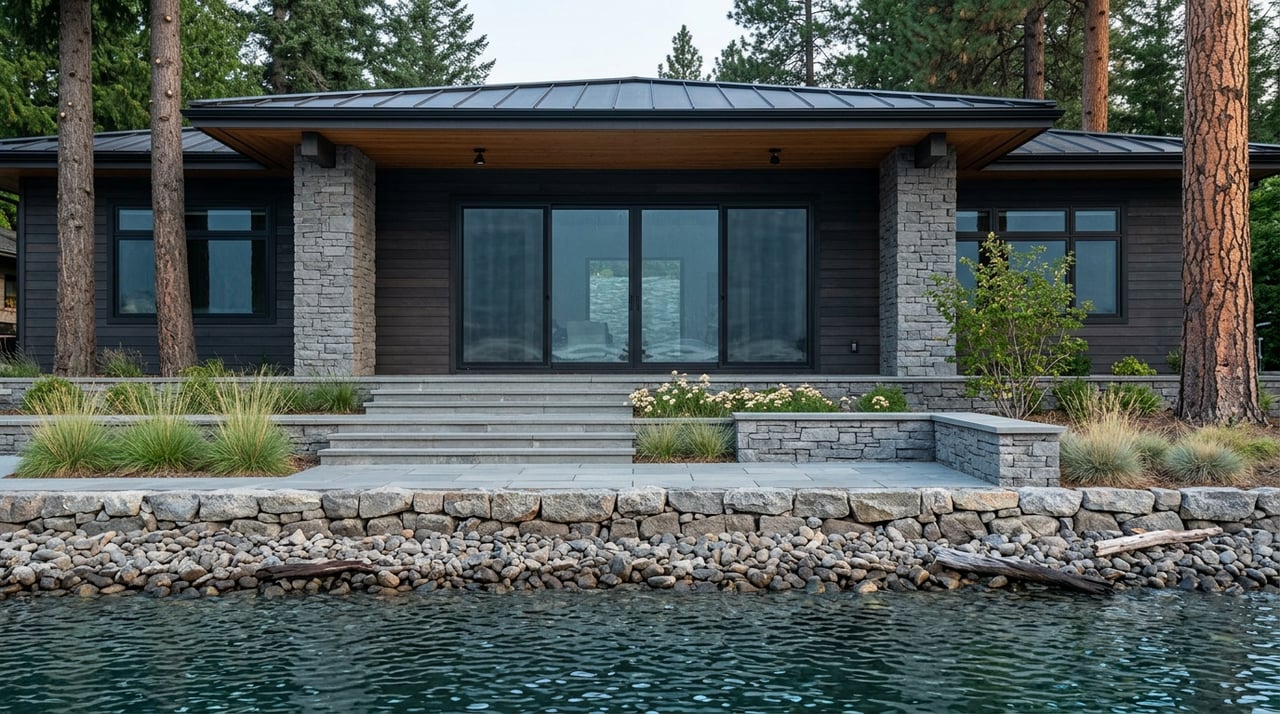
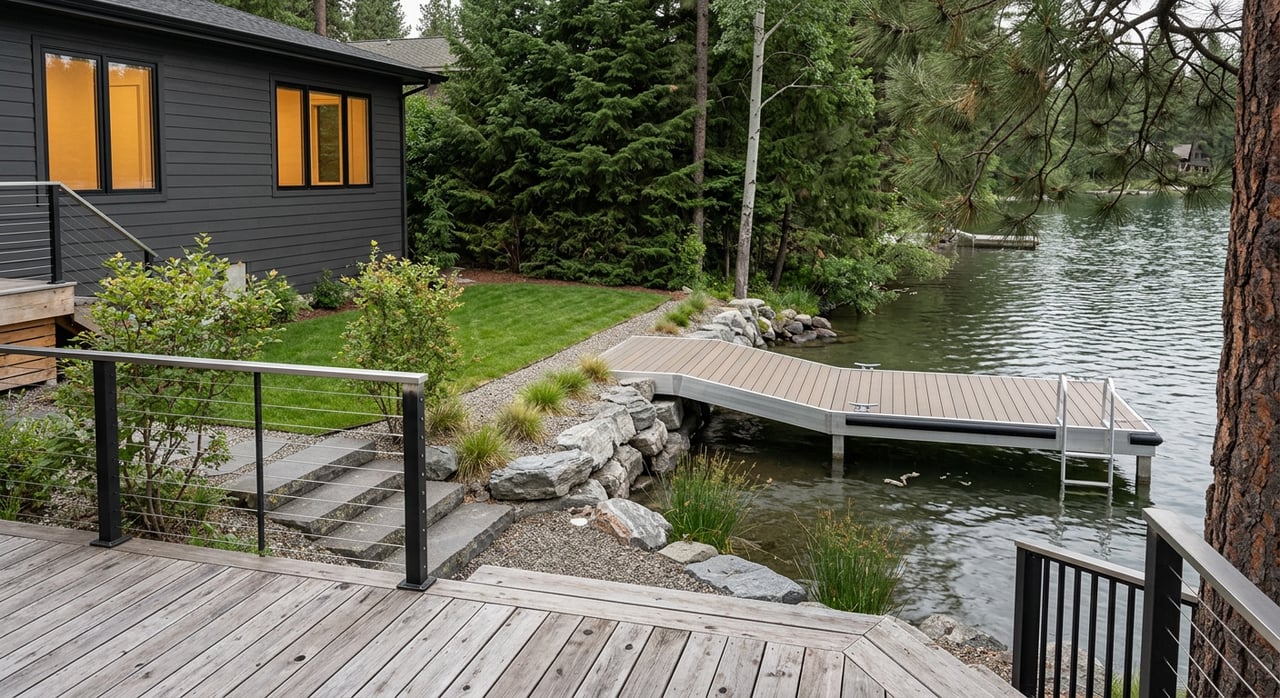
You’ll see a mix of in-town single-family homes, older neighborhoods with mature trees, lakefront houses and cabins, and rural acreage outside of town. Shoreline properties feel immersive but require more maintenance and careful attention to access, docks, and utilities. Subdivisions a bit inland can trade easy waterfront access for quieter streets and more space.
Practical buyer notes
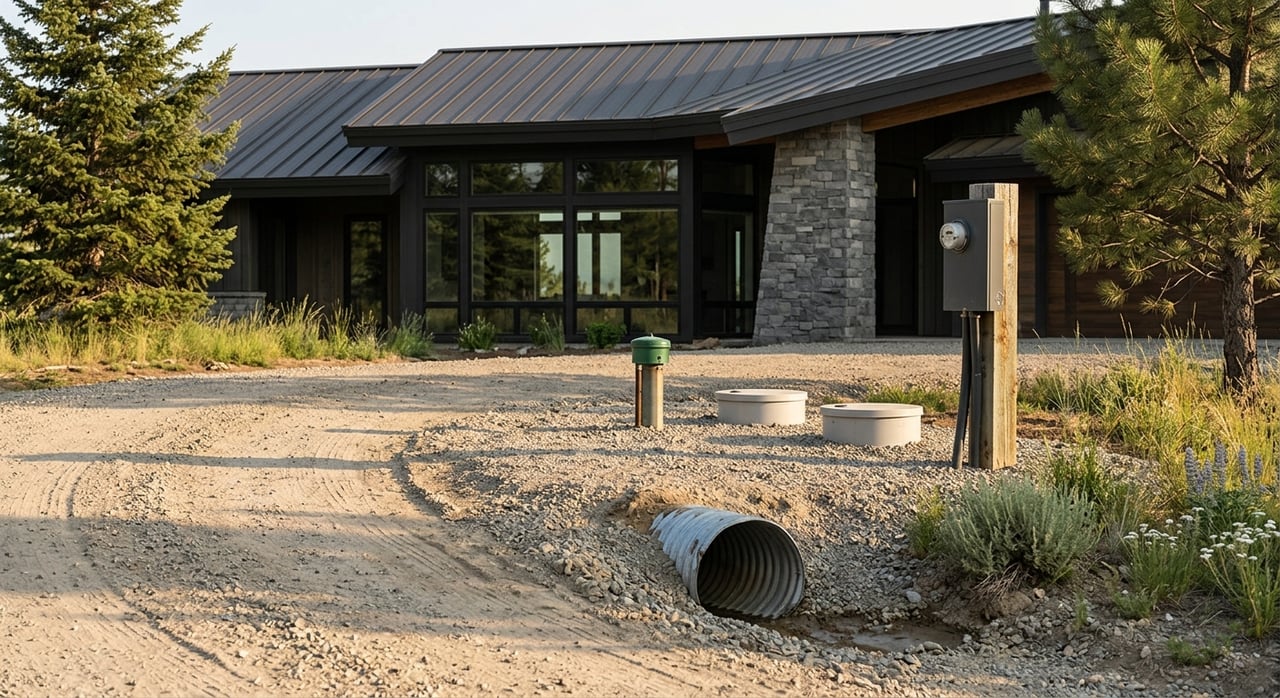
- Utilities: Many rural and shoreline homes use well and septic. Verify system age, permits, and maintenance history.
- Water and shoreland rules: Check any improvements against local planning and environmental regulations. Start with Lake County for permits and processes.
- Covenants and HOAs: Rules vary by subdivision and shoreline area. Read them closely for dock use, rentals, and exterior guidelines.
- Short-term rentals: If you’re considering an investment, confirm city and county regulations and seasonal demand before you buy.
- Insurance: Review coverage options for wildfire, flood, and water-related risks with your insurer.
Schools and family life
Polson School District serves local K–12 students. In a smaller system, you may find close community ties and accessible staff, along with fewer specialized programs than large metro districts. For current information about enrollment and programs, consult the district and the Montana Office of Public Instruction.
Childcare can be tight in small towns, so it helps to research early. Families often fill the calendar with youth sports, summer lake camps, and community events that peak during warm months.
Commute and connectivity
Many residents work in local government, healthcare, retail, trades, or tourism. Some commute to bigger job centers, but that drive is significant and weather-dependent in winter. Public transit is limited, so most households rely on cars.
If you travel often, you can use regional airports to the north or south depending on your route. When winter hits, check conditions along Highway 93 through the Montana Department of Transportation and give yourself extra time. Broadband options vary by neighborhood, especially in rural pockets, so verify service at specific addresses before you buy.
Economy and cost of living
The local economy blends county and tribal government, healthcare, agriculture, retail, and seasonal tourism. Compared with fast-growing resort towns, you may find more approachable housing options, though lakefront inventory is limited and specialized. Factor in driving for bigger shopping trips and insurance considerations linked to wildfire or flood. For employment data and trends, explore the Montana Department of Labor & Industry.
Community and culture
Polson’s identity is shaped by the lake, small-town connections, and regional tribal presence. The Confederated Salish and Kootenai Tribes contribute to local culture through governance and community programming. To learn about cultural resources and public information, visit the CSKT official site. Summer brings festivals and markets, while winter leans into indoor gatherings and volunteer-led events.
Who thrives here
- Outdoor-first households who want lake access, easy day trips to trails, and four-season variety.
- Remote workers who appreciate quiet neighborhoods and confirm broadband ahead of time.
- Retirees and second-home owners who value a slower pace and nearby amenities.
- Entrepreneurs and tradespeople tied to tourism, recreation, and small-business services.
You may struggle if you need a very short daily commute to a large metro job, want an urban cultural lineup every night, or prefer low-maintenance living without seasonal chores like dock care, winterizing, and septic upkeep.
Buyer checklist for lake living
- Confirm shoreland, dock, and permitting rules with the county before you fall in love with a property.
- Inspect wells and septic systems and budget for ongoing maintenance.
- Review insurance for wildfire, flood, and water-related coverage.
- Verify broadband and cell service at the address.
- Ask about short-term rental rules and seasonal demand patterns.
- Plan for winter: snow removal, driveway grade, and garage or storage needs.
Is Polson a fit for you?
If you’re drawn to clear water, mountain views, and a community that knows your name, Polson delivers. You trade a bit of convenience for daily access to a spectacular lake and a slower rhythm that sticks even when summer crowds roll in. The key is matching your lifestyle to the right neighborhood and property type, then planning for seasons and services so your move feels smooth.
Ready to explore homes, neighborhoods, and the logistics that matter to you? Reach out to Mel Libby for local guidance and a calm, step-by-step path to your next chapter.
FAQs
How easy is lake access for Polson residents?
- You can choose from city beaches, state park units, public launches, and private marinas, with summer crowds that reward early starts and weekday outings; check the City of Polson and Montana State Parks for current details.
What are winters like in Polson on Flathead Lake?
- Expect cold, snow, and shorter days with occasional storms that slow Highway 93 travel; prep with winter tires, flexible schedules, and updates from the National Weather Service and Montana Department of Transportation.
Where do residents go for major medical care?
- For specialized and hospital-level services, many residents travel to regional hospitals in Kalispell or Missoula, so it helps to plan routes and timing around weather and road conditions.
Are year-round jobs available in Polson?
- Yes, with concentrations in government, tribal services, healthcare, retail, trades, and tourism, and you can review trends and openings through the Montana Department of Labor & Industry.
What should buyers know about lakefront ownership in Polson?
- Shoreline rules, dock rights, well and septic systems, and insurance can be complex, so verify permits with Lake County, review coverage for wildfire or flood, and budget for annual maintenance.
How does tourism affect daily life in summer?
- You’ll see more traffic, busier beaches and restaurants, and a lively events calendar that boosts local businesses; planning errands and launches earlier in the day keeps life smooth.