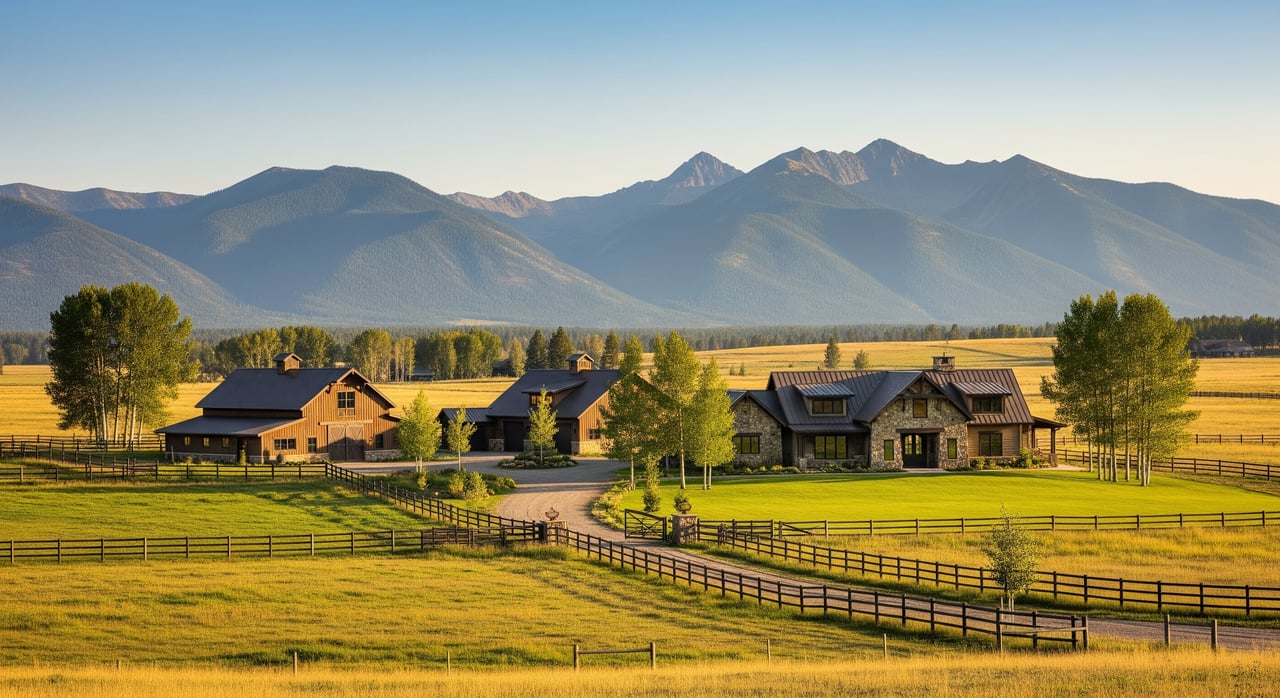
Thinking about buying rural acreage near Kalispell? The scenery and space are irresistible, but raw land comes with homework. If you want it to live like you expect, you need to confirm access, utilities, water, septic, and what the land will actually allow. This guide walks you through a practical feasibility checklist you can use before you write an offer and during your contingency period, so you can move forward with confidence. Let’s dive in.
Start with a quick screen
Before you fall in love with a view, do a fast, focused screen so you do not waste time on parcels that will not work.
- Confirm the general location and drive time to Kalispell services, hospitals, groceries, and your daily needs.
- Identify the nearest paved road, school district, and fire station coverage.
- Check the county zoning map for the zoning designation and minimum lot size.
- Confirm there is legal access via a public road or a recorded easement.
- Check cell coverage and internet options using broadband maps and local ISPs.
If any of these are unclear, flag them for deeper review in your feasibility period.
Confirm legal access and roads
A beautiful parcel without legal, reliable access can become a costly problem.
- Determine if access is from a public county road or a private road.
- If private, confirm a recorded vehicular easement and a road maintenance agreement that addresses snow removal.
- Ask who maintains the road, how winter plowing works, and whether 4-wheel drive is needed seasonally.
- If access ties to a state highway, confirm approach permitting requirements.
Red flags to watch for:
- “Access by permission” with no recorded easement.
- Long private road segments with no maintenance plan.
- Seasonal routes that block year-round living.
Where to verify: county land records for easements, the county road department for road status, and state transportation for highway approaches.
Utilities: what’s realistic on rural parcels
Rural Flathead County can offer power and telecom near main corridors, but further out you need a plan.
- Electric: Identify the provider and the distance to the nearest pole or transformer. Ask for a written estimate to extend service.
- Heating: Natural gas is limited in rural areas. Most buyers use propane, wood, or biomass.
- Internet/phone: Closer to Kalispell you may find DSL, cable, or fiber. Remote parcels often rely on fixed wireless or satellite. Confirm whether cell coverage meets your needs.
- Water/sewer: Plan for a private well and onsite septic on most rural lots.
Red flags to watch for:
- Long power extensions that add major cost.
- No viable internet option if you plan to work remotely.
- Missing or unrecorded utility easements across neighboring parcels.
Water: wells and water rights
In Montana, water rights are a separate legal interest. Do not assume a listing mention equals usable water.
- Check if there is a permitted domestic well on site. If yes, request well logs and any pump test records.
- If there is no well, review nearby well logs to gauge expected depth and yield and ask a local driller for site input.
- Verify any recorded water rights with the state and confirm how they apply to your intended use.
- If the parcel includes streams, springs, or shoreline, note riparian setbacks and usage limitations.
Red flags to watch for:
- No well log, unclear or contested water rights, or conflicting neighbor withdrawals.
- Reports of shallow or seasonally fluctuating groundwater near your intended build area.
Where to verify: state water rights and well logs, and county health for potable water guidance.
Septic systems and soils
A septic system needs suitable soils, depth, and space. Confirm early so you do not buy land you cannot build on.
- Schedule soil evaluation and percolation testing during your feasibility window.
- Identify a primary and reserve drainfield location that meets setbacks from wells and waterways.
- If parcels are clustered, confirm any county density limits for onsite wastewater.
Red flags to watch for:
- High groundwater, shallow bedrock, or poorly draining soils that make septic infeasible or very expensive.
- Insufficient area for a reserve drainfield.
Where to verify: county health department for onsite wastewater permitting and local septic designers for site testing and design.
Topography and site design
The land’s shape drives your buildability and costs.
- Map slopes and identify buildable benches with reasonable driveway routes.
- Note seasonal drainage swales, snow drifting patterns, and potential erosion.
- Consider foundation style, driveway grade, and snow load for your roof design.
Red flags to watch for:
- Steep slopes that require costly retaining walls or switchback driveways.
- Ravines or draws that complicate utilities and emergency access.
Where to verify: soils mapping, topographic maps, county GIS layers, and local civil or geotechnical engineers for site-specific evaluations.
Floodplains, wetlands, and other constraints
Sensitive areas can limit where and how you build.
- Check FEMA floodplain designations on or near the parcel.
- Review National Wetlands Inventory mapping to identify wetlands and related permitting needs.
- Review title for conservation easements or land trust restrictions that limit development.
- Investigate known contamination or historic uses if relevant.
Red flags to watch for:
- A large portion of the parcel in mapped floodplain or wetlands.
- Recorded conservation easements that limit new structures or splits.
Zoning, land use, and covenants
Your intended use must match the rules on paper.
- Confirm the zoning district and allowed uses, plus minimum lot size and setbacks.
- If you plan short-term rentals, confirm any applicable county regulations.
- Determine if the lot is part of a subdivision with covenants or an HOA, and review the rules.
- Verify that the lot is a legally created, buildable lot and whether further subdivision is allowed.
Red flags to watch for:
- Zoning that does not permit your desired use.
- Covenants that ban shops, rentals, or other accessory uses you want.
- Lots created by unapproved splits that may not be buildable.
Fire risk and emergency access
The wildland-urban interface is part of the Montana lifestyle. Plan for safety and insurance eligibility.
- Identify the local fire protection district and typical response conditions.
- Confirm driveway width, grade, and turnaround standards for emergency vehicles.
- Evaluate defensible space, fuel reduction needs, and local burn restrictions.
Red flags to watch for:
- Long remote access without water supply options for firefighting.
- Heavy timber around the homesite with no mitigation plan.
Mineral rights, timber, and conservation easements
Title matters, even below the surface.
- Determine mineral rights ownership and whether the mineral estate is severed from the surface estate.
- If timber is part of your plan, check for harvest restrictions or required permits.
- Confirm any conservation easements recorded on title.
Red flags to watch for:
- Severed mineral rights that reserve surface access for extraction.
- Conservation easements that prohibit residential development.
Write a protective offer and feasibility plan
A strong offer makes room for answers. Include a feasibility contingency that clearly outlines what you can investigate and how long you have.
- Typical feasibility windows run 30 to 60 days for surveys, soils, well checks, title review, and utility estimates.
- Define specific deliverables: perc test approval, water well yield verification, title review, and cost estimates for power and driveway.
- Clarify who pays for tests and surveys and how termination works if results are unsatisfactory.
Pro tip: Put key investigations in writing so you can exit cleanly if a fundamental item fails.
What to expect for timeline
Plan ahead so you do not rush critical steps.
- Initial screening and pre-offer checks: 1 to 7 days.
- Feasibility contingency work: commonly 30 to 60 days.
- Permits like septic, building, and road approaches: 2 to 12 weeks depending on complexity and county workload.
- Utility extensions: schedules vary; pole lines or long trenching can take months.
Build in buffer time for weather and contractor schedules, especially if you are testing soils or accessing remote sites.
Budget basics: common cost buckets
Every site is different, but most rural acreage buyers plan for several core items. Get local quotes early.
- Survey and boundary staking.
- Well drilling, pump, and testing.
- Septic design, installation, and inspections.
- Power extension and transformer fees, plus trenching for underground lines.
- Driveway grading, culverts, and surfacing.
- Permits and impact fees, including road approach permits and culvert installation.
- Title insurance, and any curing of liens or easements.
Your final numbers depend on distance to utilities, soils, slope, and access conditions.
Who to call: your local team
Surround yourself with pros who know rural Flathead County.
- Land surveyor for boundary confirmation and easement location.
- Title company or real estate attorney for title, easements, and mineral rights.
- Licensed well driller and pump installer for logs, testing, and estimates.
- Septic designer and installer, plus county health for permits.
- Civil or geotechnical engineer for slopes, drainage, and road design.
- Forestry consultant or ISA arborist for defensible space and stand health.
- Local utility providers for written extension estimates.
- Site work contractor for driveway and access costs.
Closing and after closing
Before you sign, confirm that the paperwork matches your plan.
- Ensure access easements and road maintenance agreements are recorded.
- Secure title insurance that clarifies easements and mineral rights.
- If you plan to build right away, confirm permit readiness and any HOA requirements.
After closing, keep your testing records, maps, and approvals organized. They will help you and your contractors move quickly when you are ready to build.
A practical, local-focused checklist
Use this summary as your step-by-step guide:
- Pre-offer quick screen
- Location fit and drive times to services.
- Zoning district and minimum lot size.
- Legal access and road type.
- Cell and internet options.
- Feasibility period must-do items
- Title search for easements, covenants, and mineral rights.
- Power availability and written extension estimate.
- Well logs, water rights verification, and water testing plan.
- Soil/perc testing and septic design feasibility.
- Slope, drainage, and buildable area mapping.
- Floodplain, wetlands, and any conservation easements.
- Fire district, emergency access, and defensible space needs.
- Updated survey and boundary stakes if needed.
- Permits and readiness
- Confirm required permits and estimated timelines.
- Verify the lot’s legal creation and buildability.
- Get cost estimates for driveway, culverts, well, septic, and power.
- Contract and closing
- Clear feasibility dates and deliverables.
- Recorded access and maintenance agreements.
- Title insurance covering access and mineral rights.
Ready to explore acreage with a plan that fits your Montana lifestyle? Reach out to schedule a strategy call with Mel Nordberg for local, hands-on guidance tailored to your goals.
FAQs
What makes a rural Kalispell lot buildable?
- You need legal access, zoning that allows your use, septic permitability, a feasible water source, and no blocking constraints like floodplain or restrictive easements.
How do I verify an existing well and septic on a listing?
- Request the well log and any pump test results, plus the septic design and permit or inspection records; if missing, complete your own tests during the contingency period.
Who typically pays for extending power and building a driveway?
- Buyers usually do unless negotiated otherwise; confirm written estimates during feasibility and include those costs in your budget.
Are conservation easements common around the Flathead Valley?
- Yes, you will find them on some parcels; always review recorded documents to understand allowed uses and any building limits.
What are the top deal-killers for rural acreage?
- No legal access, failed septic feasibility, lack of potable water, heavy floodplain or wetland coverage, restrictive covenants, or slopes and soils that make building cost-prohibitive.